After Organizing 3 Generations of Family Health Records: This System Finally Brought Clarity
Have you ever scrambled for a parent’s medication list during an emergency? Or forgotten when your child last had a check-up? I did—too many times. Juggling doctor’s notes, test results, and prescriptions across years felt overwhelming. But after organizing decades of family health records into one simple system, everything changed. It’s not about fancy tech—it’s about peace of mind, clearer conversations with doctors, and truly knowing your family’s health story. Now, when the phone rings late at night or a fever spikes, I don’t panic. I open a folder, take a breath, and know exactly what to do. And that small shift? It’s transformed how we care for each other.
The Messy Reality of Paper Files and Forgotten Details
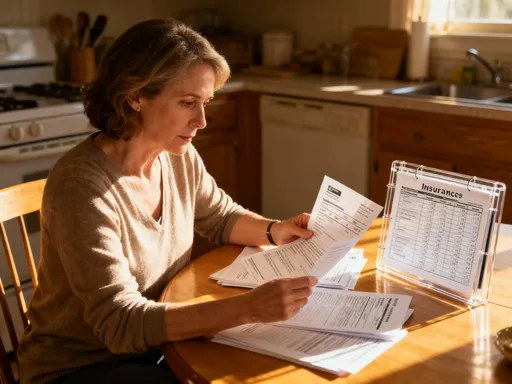
I still remember the afternoon my mom called from urgent care. Her voice was shaky. "They’re asking for my list of medications, but I left it at home—on the fridge. Do you have it?" I froze. I thought I did. I’d seen it. But where? In a notebook? A text message from six months ago? I started digging—through old emails, kitchen drawers, even the glove compartment of my car. Nothing. Meanwhile, she was sitting in a clinic, waiting, while nurses tried to piece together what she was taking. That moment wasn’t just stressful—it was dangerous. And it wasn’t the first time. Over the years, our family had relied on memory, scraps of paper, and well-meaning but unreliable habits. My dad kept blood pressure logs in a spiral notebook that disappeared after a move. My daughter’s pediatrician records were buried in a box labeled "School Stuff." Important test results got filed under "Miscellaneous" and never seen again. We weren’t lazy—we were just like most families, trying to manage health information without a real system.
The cost of this disorganization isn’t just clutter. It shows up in repeated lab tests because results can’t be found. It appears in medication errors when dosages are misremembered. I once brought my nephew’s allergy history to a new doctor—only to realize halfway through the appointment that I’d written down the wrong date for his last reaction. The doctor paused and said, "That changes things." And it did. Small gaps in information can lead to big consequences. What’s worse is the emotional toll. There’s a quiet guilt that comes with not being able to help someone you love simply because you don’t have the right piece of paper. You feel helpless. You feel like you should’ve done better. But the truth is, it’s not about being more careful with sticky notes. It’s about recognizing that paper and memory alone aren’t enough in today’s world of complex care and fast-paced decisions.
Discovering the Need for a Better Way
The wake-up call came when my aunt was hospitalized after a fall. At first, we thought it was just a broken hip. But during the intake process, the nurse listed her medications—and three of them shouldn’t have been taken together. One was even discontinued years ago, but no one had removed it from the list. How did this happen? Simple. Each specialist had given her a different sheet. She kept them in a plastic bag in her purse. When she switched doctors, no one fully reviewed what she was on. The hospital staff had to call multiple clinics just to verify what was current. That moment hit me hard. This wasn’t just inconvenient. It was a risk. And if it could happen to her, it could happen to any of us.
That’s when I realized we needed a new approach—one that wasn’t just about storing papers, but about creating a living record that could grow with our family. I started small. First, I tried a spreadsheet. I entered everyone’s name, conditions, medications, and doctors. It worked—for a while. But updating it felt like homework. Then I tried a binder with tabs—color-coded by person. It looked great on the shelf, but the minute someone had a new test, I had to print, label, and file. Life didn’t wait for me to catch up. I even experimented with taking photos of prescriptions and saving them in my phone. But after a few months, I had hundreds of images with no real system to sort them. I’d scroll for ten minutes just to find one lab result. Each method had its strengths, but none made it easy to access the right information at the right time—especially in a moment of stress.
What I began to understand was that the real goal wasn’t just organization. It was communication. It was about making sure that whoever needed to know—my sister, my husband, our doctors—could see what mattered, when it mattered. It wasn’t about perfection. It was about clarity. And most importantly, it had to be something we could all use—not just me. That meant it had to be simple, secure, and shareable. No complicated software. No medical degree required. Just something that worked, quietly and reliably, in the background of our busy lives.
Building a Simple, Shared Health Record System
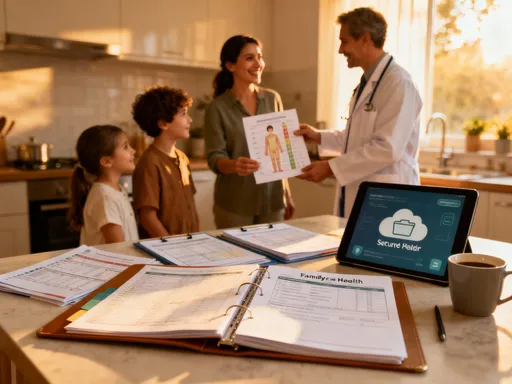
So I started over—with one rule: use only tools we already had. No special apps. No expensive subscriptions. I turned to cloud storage, something most of us already use for photos and documents. I created a main folder called "Family Health" and set up subfolders for each person—Mom, Dad, Me, Kids, Aunt. Inside each, I added folders for medications, doctor visits, test results, immunizations, and emergency info. That’s it. No fancy structure. Just clear, consistent labeling. I used file names like "Bloodwork_Jan2024.pdf" or "AllergyPlan_Lily_Updated.pdf" so I could search and find things fast.
To keep it secure, I used a password manager—something I already relied on for online accounts. I stored the master password there and shared access only with my husband and one sister, the other main caregivers in our family. We agreed on who could view what. For example, my teenage daughter can see her own folder, but only adults have access to parents’ records. This wasn’t about secrecy—it was about respect and privacy. The system worked because it wasn’t locked away, but it wasn’t wide open either. It struck a balance that felt safe for everyone.
I also created simple templates. One was a one-page health summary—just name, date of birth, allergies, current medications, and primary doctors. I updated it twice a year or after any major change. Another was a visit log: date, reason, doctor’s name, key notes. I didn’t write novels—just a few bullet points. These templates made it easy to stay consistent, even when life was hectic. And the best part? Anyone in the family could add something. If my husband scanned a new X-ray report, he knew exactly where to put it. If my sister updated Mom’s medication list after a doctor’s visit, we all had access within minutes. It stopped being my project and became our system.
How It Transformed Doctor Visits and Care Decisions
The first time I used the system at a doctor’s appointment, I felt a little proud—and a lot relieved. My son had been having stomach issues for weeks. We’d seen two doctors already, but no one had connected the dots. This time, I pulled out my phone, opened the folder, and showed the pediatrician a timeline of symptoms, food logs, and previous test results—all in one place. She leaned in, scrolled through the files, and said, "Now I see the pattern." Within minutes, she suggested a possible food sensitivity and ordered a targeted test. No guesswork. No repetition. Just clear, informed care. That moment was a game-changer. It wasn’t magic. It was simply having the right information in the right hands at the right time.
For my dad, the impact was even more profound. At his annual check-up, his doctor noticed a slow decline in kidney function over the past three years—something that had been missed because the results were scattered across different clinics. With all the lab reports in one timeline, the trend was obvious. The doctor adjusted his medications immediately and referred him to a specialist. "You caught this early," the nephrologist said. "That makes all the difference." I didn’t catch it. The system did. It made the invisible visible. It turned random data into a story—the story of my dad’s health—and that story saved time, prevented harm, and guided better care.
Even in emergencies, the difference was clear. When my mom had sudden chest pain, we went straight to the ER. I handed the triage nurse a printed one-pager from her folder—her conditions, meds, allergies, doctors. She looked at it and said, "This is gold." Within minutes, they had the context they needed. No delays. No questions about what she was taking. They treated her quickly and sent us home with answers, not confusion. That night, as we sat in the kitchen, Mom looked at me and said, "You really thought of everything, didn’t you?" I smiled. I hadn’t thought of everything. But I had built a system that helped us remember what mattered.
Strengthening Family Connections Through Health Awareness
One of the most unexpected benefits was how it brought us closer. Before, health was something we talked about only when something went wrong. Now, it’s part of our everyday conversation. My teenage daughter started asking about her family’s history of asthma. My sister and I compare notes on our parents’ care without tension or confusion. Even my 8-year-old grandson knows to tell the nurse, "I have a nut allergy—my mom has the paper." It’s not fear. It’s awareness. And that awareness has created a new kind of closeness—a shared responsibility for each other’s well-being.
When my grandmother shared her childhood vaccination records—yellowed pages from the 1940s—I realized we were building something bigger than a file system. We were preserving a legacy. My kids now understand that health isn’t just about today. It’s about patterns, history, and choices that echo across generations. We talk about what Grandma survived, what Grandpa managed, and what we can do better. These conversations aren’t heavy. They’re warm. They happen over tea, during car rides, at Sunday dinners. And they’ve given us something rare: a sense of continuity, of being part of something that matters.
There’s a quiet strength in knowing your family’s health story. It doesn’t make us immune to illness. But it makes us less afraid. We’re not facing the unknown alone. We have data. We have history. We have each other. And that changes how we show up—with more confidence, more compassion, and more clarity. It’s not just about managing disease. It’s about nurturing life, together.
Maintaining the System Without the Stress
I’ll be honest—I was worried this would become another chore. Another thing on the list. But what I’ve learned is that maintenance doesn’t have to be hard. I built it into my routine, just like checking the mail or backing up photos. Every Sunday night, I spend about ten minutes reviewing the folder. I ask myself: Did anyone have a doctor’s visit this week? Any new prescriptions? Any test results? If yes, I scan or forward the file, label it clearly, and file it in the right place. That’s it. Ten minutes. Sometimes less.
To make it even easier, I set up automatic backups. My cloud storage syncs everything across devices, so I never lose a file. I also use reminder alerts—on my phone and calendar—for key dates: annual check-ups, medication reviews, flu shots. These little nudges keep us on track without effort. And because the system is shared, I’m not the only one paying attention. My sister updates Mom’s folder after visits. My husband adds his lab results. It’s a team effort, and that makes it sustainable. No one person carries the whole load.
The key to keeping it going is simplicity. I don’t aim for perfection. If a file is mislabeled, I fix it later. If I forget a week, I catch up when I can. What matters is consistency over time, not flawless execution. And because it’s so easy to use, we actually do use it. It’s not sitting on a shelf. It’s alive. It grows with us. And that’s what makes it work—not because it’s high-tech, but because it fits into real life.
Why This Small Change Made Life Feel Lighter
Looking back, I realize this wasn’t just about organizing papers. It was about reclaiming control. It was about replacing anxiety with readiness, confusion with clarity, and isolation with connection. When a health scare happens—and it will—we don’t freeze. We act. We know where to look. We know what to say. And that small sense of preparedness? It brings a deep, quiet peace. It’s the kind of peace that lets you sleep at night, even when someone you love is unwell.
For our family, this system has become a form of care in itself. It’s how we show up for each other—not just in crisis, but every day. It’s how we honor our parents’ journeys, protect our children’s futures, and support each other with wisdom, not worry. It’s not flashy. It doesn’t require special skills. But it has changed everything. Because now, when I hold my grandson’s hand and he asks, "What do I do if I feel sick?" I can say, "Don’t worry. We have a plan. We know what to do." And that? That’s the greatest gift of all.