How I Made Meditation Stick — And Why It Changed Everything
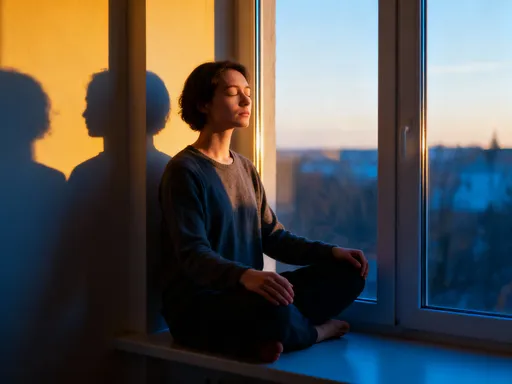
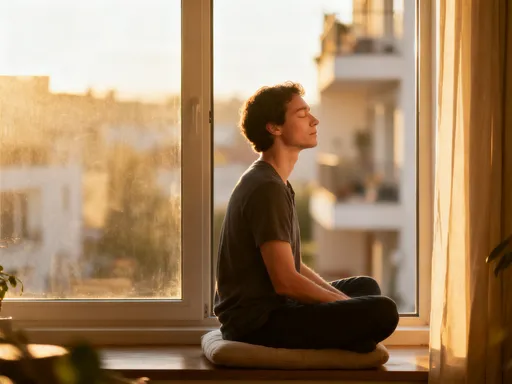
Meditation used to feel like a chore — sitting still, chasing silence, failing constantly. I’d try for a few days, then quit. But when stress started affecting my sleep and focus, I knew I needed a real solution. What changed? I stopped treating meditation as a ritual and started weaving it into my daily habits. This isn’t about enlightenment — it’s about making mindfulness work in real life. The turning point wasn’t a sudden revelation, but a quiet shift in how I approached the practice. Instead of measuring success by stillness or silence, I began valuing presence and persistence. Over time, what once felt impossible became not only manageable but essential. This is how I finally made meditation stick — and why it changed everything.
The Myth of "Doing It Right"
Many people abandon meditation because they believe they are doing it wrong. The most common misconception is that a successful session means an empty mind — free of thoughts, distractions, or emotional noise. When the mind inevitably wanders, which it does for everyone, the assumption is that the practice has failed. This belief creates a cycle of frustration and self-doubt, leading many to give up after only a few attempts. But the truth is, meditation is not about stopping thoughts. It is about learning to observe them without judgment, to notice the constant stream of mental activity without getting caught in its current. The goal is not mental silence, but awareness.
I learned this lesson through repeated failure. My early attempts followed a rigid pattern: set a timer, sit upright, close my eyes, and try to focus on my breath. Within seconds, my mind would drift to grocery lists, work deadlines, or conversations from the past. Each time I noticed, I’d pull my attention back, only for it to wander again moments later. After a few days of this, I’d conclude I wasn’t cut out for meditation and stop altogether. It wasn’t until I read about the science behind mindfulness that I began to shift my perspective. Studies show that the very act of noticing a distraction and returning to the breath strengthens the brain’s ability to regulate attention and emotion. In other words, the "failure" — the wandering mind — is actually part of the training.
Once I understood this, I stopped measuring success by how still my mind was and started valuing consistency instead. Even 60 seconds of intentional awareness became meaningful. I no longer waited for the "perfect" moment to meditate. If I had a spare minute while waiting for the kettle to boil, I used it to check in with my breath. If I felt overwhelmed during the day, I paused for three conscious breaths. These moments were not grand or transformative in the moment, but over time, they built a foundation of presence. The pressure to "achieve" something during meditation lifted, and with it, the resistance. Meditation became less of a performance and more of a practice — something to return to, again and again, without expectation.
Why Lifestyle Integration Beats Routine
One of the biggest obstacles to maintaining a meditation habit is the idea that it requires a special time, place, or setup. Many guides suggest waking up early, lighting a candle, sitting in silence for twenty minutes, and creating a sacred space. While this may work for some, it sets most people up for failure. Life is unpredictable. Mornings get rushed, children need attention, work demands shift, and the idea of carving out a perfect window for meditation often falls apart within days. The problem isn’t a lack of discipline — it’s a mismatch between expectation and reality. When we treat meditation as an isolated event that must happen under ideal conditions, we make it dependent on circumstances we can’t always control.
What changed for me was shifting from routine-based practice to lifestyle integration. Instead of trying to add meditation as a separate task, I began attaching it to habits I was already doing every day. This approach, known as habit stacking, is based on the principle that new behaviors are more likely to stick when they are linked to existing ones. For example, I started meditating for one minute immediately after brushing my teeth in the morning. Since brushing my teeth was already automatic, the meditation became part of that sequence. I also began using the moment I waited for my coffee to brew as a cue to pause and focus on my breath. These moments were brief, but they were consistent.
By embedding mindfulness into everyday actions, I removed the need for motivation or special preparation. I didn’t have to "find time" — I used time that was already there. Over time, these small pauses became automatic. I didn’t have to decide whether to meditate; I simply followed the sequence: brush teeth, then breathe. Pour coffee, then pause. This method worked because it respected the reality of my life rather than fighting against it. It wasn’t about adding more to my day — it was about transforming moments I was already living into opportunities for presence. The result was a sustainable practice that didn’t feel like a burden, but like a natural extension of daily living.
The Power of Micro-Meditations
Another breakthrough came when I stopped believing that meditation had to be a long, formal session to be effective. Like many, I assumed that only extended periods of sitting — ten minutes, twenty minutes, or more — could produce real benefits. But research in neuroscience and psychology suggests otherwise. Even brief moments of mindfulness can have a measurable impact on mental and physical well-being. Studies have shown that short meditative pauses, as brief as one to three minutes, can reduce levels of cortisol, the stress hormone, and improve focus, emotional regulation, and cognitive flexibility. The key is not duration, but intentionality — the deliberate act of stepping out of autopilot and returning to the present moment.
I began experimenting with micro-meditations throughout the day. After sending an email, I’d take three slow breaths before moving to the next task. While waiting for a meeting to start, I’d close my eyes and notice the sensations in my hands or feet. Before responding to a text, I’d pause and check in with how I was feeling. These moments were not elaborate or time-consuming, but they created small resets in my nervous system. Instead of reacting impulsively to stress or distractions, I built in tiny spaces for awareness. Over time, I noticed that my reactions became less reactive. I was less likely to snap at a family member after a long day or feel overwhelmed by a sudden change in plans.
The science behind this is clear: the brain responds to repeated, consistent input. Just as brief bursts of exercise can improve cardiovascular health over time, brief bursts of mindfulness strengthen neural pathways associated with calm and clarity. What mattered most was not the length of each session, but the frequency. The more often I returned to the present, the more resilient my mind became. These micro-meditations were not a substitute for longer practices — they were a gateway. They kept mindfulness alive in my day-to-day life, making it easier to return to the practice even on days when I felt too tired or too busy for anything longer. They proved that transformation doesn’t always come in big leaps — sometimes, it comes in breaths.
Choosing the Right Anchor (And Why It Matters)
Not every form of meditation works for every person, and not every method fits every lifestyle. In my early attempts, I tried various techniques — breath focus, guided meditations, mantras, and visualization — often switching from one to another in search of the "right" one. While exploration is valuable, constant switching can undermine consistency. What finally helped me stick with the practice was finding an anchor — a consistent point of focus — that felt natural and accessible in my daily life. An anchor is anything that brings attention back to the present moment. It could be the breath, a sound, a physical sensation, or even a repeated phrase. The right anchor makes meditation feel less like a struggle and more like a homecoming.
For me, body scanning became the most effective anchor. I discovered this during moments of transition — when leaving work, before bedtime, or after a stressful interaction. Instead of trying to clear my mind, I would slowly move my attention through different parts of my body, noticing areas of tension, warmth, or numbness. This practice grounded me in physical sensation, which was easier to access than breath or thoughts, especially when I was emotionally charged. Because it didn’t require silence or stillness, I could do it while walking, lying down, or even sitting in traffic. It became a bridge between the external world and inner awareness.
The importance of choosing the right anchor cannot be overstated. A mismatch between method and lifestyle leads to frustration and abandonment. Someone with chronic pain may find breath meditation difficult if breathing feels strained. A parent with young children may struggle with silent sitting but find mindfulness in movement or sound more sustainable. The goal is not to conform to a single model of meditation, but to adapt the practice to fit your life. When the anchor feels natural — when it doesn’t require forcing or straining — the practice becomes inviting rather than demanding. Over time, this alignment increases adherence and deepens the benefits. Mindfulness is not one-size-fits-all; it is personal, practical, and deeply human.
Dealing with Resistance and Boredom
Let’s be honest: meditation can feel boring. It can feel pointless. It can feel like a waste of time, especially in the beginning when no dramatic changes are noticeable. I experienced this resistance many times. There were days when I sat down to meditate and immediately felt restless, impatient, or skeptical. My mind would protest: "This isn’t doing anything. I have better things to do." On other days, boredom would creep in — a dull, flat sensation that made me want to check my phone or get up and do something "productive." These feelings are not signs of failure; they are part of the process. In fact, they often indicate that the practice is working. Resistance is the mind’s way of protecting its familiar patterns, even when those patterns are stressful or unhelpful.
What helped me move through resistance was reframing meditation as mental training. Just as lifting weights doesn’t produce visible results on the first day, mindfulness strengthens the mind over time through repetition. The discomfort I felt wasn’t a reason to quit — it was a signal that I was building new neural pathways. Instead of fighting the boredom or frustration, I began to observe it with curiosity. What did boredom feel like in the body? Was it a heaviness in the chest? A restlessness in the legs? A mental urge to escape? By turning my attention toward the resistance itself, I transformed it from an obstacle into an object of meditation. This shift — from "I can’t do this" to "What is this feeling?" — was a turning point.
Over time, I developed greater resilience not just in meditation, but in life. When stress arose at work or tension surfaced at home, I was less likely to react automatically. I had practiced pausing, observing, and choosing a response — and that skill began to show up outside the meditation cushion. The moments of boredom or resistance, once seen as failures, became some of the most valuable parts of the practice. They taught me that growth doesn’t always feel good — but it is always worth it. Mindfulness isn’t about feeling calm all the time; it’s about being present with whatever arises, whether pleasant, unpleasant, or neutral. And that presence, built one breath at a time, is where true change begins.
Tracking Progress Without Obsession
One of the challenges of meditation is that progress is often invisible. Unlike fitness, where you might see weight loss or increased strength, or learning a language, where you gain new vocabulary, the benefits of mindfulness are subtle and internal. There is no scoreboard, no clear metric to show how far you’ve come. This can make it difficult to stay motivated, especially when life feels overwhelming and the practice feels like just one more thing to do. In the beginning, I looked for dramatic shifts — instant calm, perfect focus, emotional invincibility. When those didn’t appear, I doubted whether I was doing it right. What changed was my approach to tracking progress.
Instead of chasing big transformations, I began paying attention to small, quiet shifts. I noticed that I was pausing before reacting when my child spilled juice on the floor. I caught myself taking a deep breath before answering a stressful email. I realized I was listening more deeply in conversations, not just waiting for my turn to speak. These moments were easy to overlook, but they were real signs of change. I started keeping a simple journal, not to measure performance, but to acknowledge these quiet wins. I didn’t use apps, timers, or streaks — just a few lines at the end of the day noting what I had observed. This practice helped me see that progress in mindfulness isn’t always about feeling different; it’s about acting differently.
Science supports this: long-term meditation is associated with increased gray matter in brain regions linked to emotional regulation, attention, and self-awareness. But these changes happen gradually, beneath the surface of conscious awareness. The key is to celebrate the subtle signs — the quicker recovery from stress, the slightly softer tone of voice, the ability to sit with discomfort without needing to fix it. When I shifted my focus from "Am I getting better?" to "What did I notice today?" the practice became less about achievement and more about discovery. This mindset kept me going, even on days when sitting still felt impossible. I wasn’t striving for perfection — I was cultivating awareness, one small moment at a time.
Making It Last: From Practice to Identity
The most profound shift in my meditation journey wasn’t about technique, timing, or duration. It was a shift in identity. For years, I thought of myself as someone who "tries" to meditate. I saw it as a task on my to-do list, something I did occasionally when I remembered or had time. But real change happened when I began to see myself as someone who meditates — not perfectly, not every day without fail, but consistently enough that it became part of who I am. This subtle reframe, from behavior to identity, transformed the practice from something I did into something I was. And that made all the difference.
Research in behavioral psychology shows that identity shapes behavior. When we see ourselves as a certain kind of person — a runner, a reader, a mindful person — our actions align with that self-image. Skipping a run feels wrong if you identify as a runner. Not reading for weeks feels out of sync if you see yourself as a reader. The same is true for meditation. Once I internalized the belief that I am someone who meditates, skipping it felt inconsistent with who I was. I didn’t need constant motivation or willpower — the habit was sustained by identity. This wasn’t a sudden change; it was built through repeated small actions, each one reinforcing the belief.
Making meditation last wasn’t about willpower or discipline. It was about integration, patience, and self-compassion. It was about letting go of the idea that I had to do it perfectly and embracing the reality that I could do it imperfectly, consistently. Over time, mindfulness stopped being a separate practice and became a way of living — a lens through which I experienced the world. I didn’t need to "find time" for it; it was woven into the fabric of my days. And in that integration, I found not enlightenment, but something more valuable: presence, clarity, and a deeper connection to my life as it is.
Meditation doesn’t require hours of silence or a perfect mindset. It thrives on simplicity, integration, and patience. By treating it as a lifestyle habit rather than a performance, I’ve gained lasting mental clarity and emotional balance. You don’t need to be perfect — just consistent. And if I can make it work in a chaotic, over-scheduled life, so can you.