Why Women’s Health Feels So Hard — And How Real Change Starts
Let’s be real—most women are juggling way too much. Between work, family, and never-ending to-do lists, taking care of yourself often comes last. I’ve been there: tired, overwhelmed, and just going through the motions. But small, intentional shifts changed everything for me. This isn’t about drastic fixes or perfection. It’s about practical, science-backed lifestyle upgrades that actually fit into real life. Because when you feel better, everything else starts to work better too.
The Hidden Cost of “Doing It All”
Modern life demands a lot from women. Many are expected to excel at work, manage households, nurture relationships, and maintain personal well-being—all at once. This constant pressure creates what researchers call “emotional labor,” an invisible load that includes managing others’ feelings, anticipating needs, and keeping the peace. Over time, this unrelenting effort takes a toll. Chronic stress builds, energy depletes, and burnout becomes not just possible, but likely. The World Health Organization recognizes burnout as an occupational phenomenon, marked by exhaustion, mental distance from work, and reduced professional efficacy. For women, this often extends beyond the workplace into every corner of daily life.
What makes this cycle so hard to break? One major factor is the normalization of overload. Society often celebrates the woman who “does it all,” reinforcing the idea that pushing through fatigue is a sign of strength. But in reality, this mindset undermines long-term health. The body was not designed to operate in a constant state of high alert. When stress hormones like cortisol remain elevated, they disrupt sleep, weaken immunity, and increase the risk of heart disease and metabolic disorders. Emotional exhaustion can also manifest physically—headaches, digestive issues, and muscle tension are common symptoms of unmanaged stress. Ignoring these signals doesn’t make you resilient; it makes you vulnerable.
Another misconception is that self-care is a luxury—something you earn after everything else is done. But this view gets it backward. Self-care is not a reward; it’s a requirement. Just as a car needs regular maintenance to run smoothly, the human body needs consistent attention to function well. When self-care is treated as optional, it’s almost guaranteed to be neglected. The truth is, no one can pour from an empty cup. Prioritizing your health isn’t selfish—it’s essential. It allows you to show up more fully for your family, your work, and yourself. Recognizing this shift in perspective is the first step toward sustainable change.
Rethinking Energy: It’s Not Just About Sleep
When most women think about low energy, they immediately focus on sleep. While quality rest is undeniably important, energy is influenced by a broader network of factors. True energy is not just the absence of fatigue—it’s the presence of physical stamina, mental clarity, and emotional stability. These elements work together like gears in a machine. If one is off, the whole system slows down. For many women, the problem isn’t just how much they sleep, but how they fuel, hydrate, and pace themselves throughout the day.
One of the most overlooked energy drains is dehydration. Even mild dehydration—just 1-2% loss of body water—can impair concentration, mood, and physical performance. Yet, many women don’t drink enough water, especially when busy. Replacing morning coffee with a glass of water, carrying a reusable bottle, or setting phone reminders can make a noticeable difference. Similarly, irregular eating patterns disrupt blood sugar balance. Skipping meals or relying on processed snacks leads to energy spikes and crashes. Eating balanced meals with protein, fiber, and healthy fats every few hours helps maintain steady energy levels and reduces cravings.
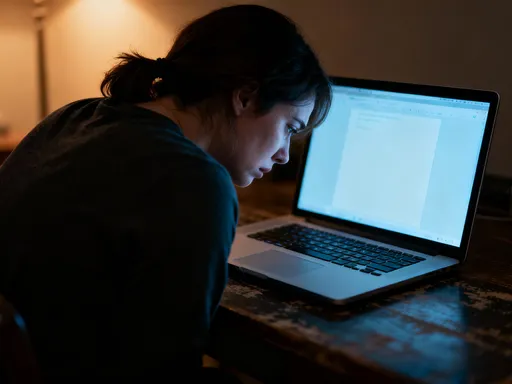
Another major factor is screen overload. Constant exposure to digital devices—especially in the evening—can overstimulate the nervous system and interfere with sleep quality. The blue light emitted by screens suppresses melatonin, the hormone that regulates sleep. This can lead to difficulty falling asleep, even if you’re physically tired. A simple solution is to establish a digital wind-down routine: dimming lights, turning off screens an hour before bed, and engaging in calming activities like reading or gentle stretching. These small adjustments support the body’s natural rhythm and improve overall energy resilience.
The good news is that improving energy doesn’t require major time commitments. It’s about making consistent, low-effort choices that add up. Drinking water first thing in the morning, eating a protein-rich breakfast, stepping outside for fresh air—these habits take minutes but deliver lasting benefits. By focusing on what truly sustains energy, rather than just chasing quick fixes, women can create a more stable and reliable foundation for daily life.
Movement That Fits, Not Fixes
For many women, the word “exercise” comes with guilt, pressure, or frustration. Past experiences with intense workouts, rigid schedules, or unmet goals can make movement feel like another item on an impossible checklist. But physical activity doesn’t have to be punishing to be effective. In fact, research consistently shows that consistency matters far more than intensity when it comes to long-term health. The goal isn’t to train for a marathon—it’s to keep the body moving in ways that feel sustainable and enjoyable.
Sustainable movement includes everyday actions like walking, stretching, climbing stairs, or doing household chores with intention. These activities may seem minor, but they add up. The Centers for Disease Control and Prevention (CDC) recommends at least 150 minutes of moderate-intensity aerobic activity per week, such as brisk walking. Breaking this down into 20-30 minute sessions, five days a week, makes it more manageable. Even shorter bursts—like three 10-minute walks—can offer similar benefits. The key is regularity. Movement improves circulation, supports joint health, boosts mood, and enhances sleep quality.
Strength training is another powerful but often underused tool. As women age, they naturally lose muscle mass, which can slow metabolism and increase injury risk. Incorporating simple strength exercises—using body weight, resistance bands, or light dumbbells—just two to three times a week can make a significant difference. These sessions don’t need to be long. A 15-minute routine that includes squats, push-ups, and planks can build strength, improve posture, and increase functional fitness. The focus should be on form and consistency, not speed or intensity.
One of the biggest barriers to movement is the belief that it has to happen in a gym or require special equipment. But movement can happen anywhere. A walk during a lunch break, stretching while watching TV, or dancing in the kitchen with your kids—all of these count. The goal is to integrate motion into daily life, not isolate it as a separate chore. When movement becomes a natural part of your routine, it stops feeling like a burden and starts feeling like self-respect.
Food as Fuel, Not Foe
Nutrition plays a central role in women’s health, yet it’s often clouded by confusion and conflicting advice. One of the most harmful narratives is the idea that food is the enemy—that eating less or cutting out entire food groups is the path to wellness. This mindset, rooted in diet culture, leads to restriction, guilt, and disordered eating patterns. Instead, food should be seen as fuel—a source of energy, healing, and nourishment. The goal isn’t perfection; it’s balance.
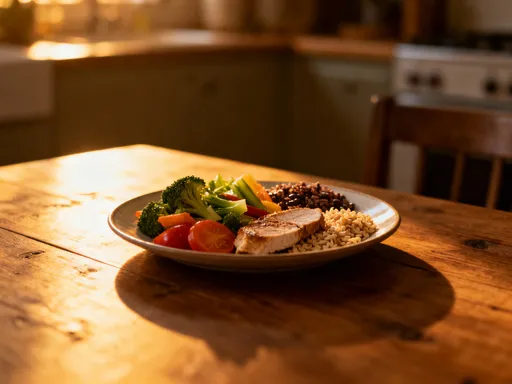
Whole, minimally processed foods provide the nutrients the body needs to function optimally. Fruits, vegetables, whole grains, lean proteins, legumes, nuts, and seeds contain vitamins, minerals, fiber, and antioxidants that support hormone balance, digestion, and immune function. For example, fiber-rich foods help regulate estrogen metabolism, which is important for reproductive health. Omega-3 fatty acids, found in fatty fish, flaxseeds, and walnuts, support brain health and reduce inflammation. Iron-rich foods like spinach, lentils, and lean meats help prevent fatigue, especially in women with heavy menstrual cycles.
But knowing what to eat is only half the battle. The real challenge is making healthy choices when time, energy, and motivation are low. This is where practical strategies come in. Meal planning—even just deciding on three or four go-to dinners for the week—can reduce daily decision fatigue. Prepping ingredients in advance, like washing and chopping vegetables or cooking a batch of quinoa, makes healthy meals easier to assemble. Keeping healthy snacks on hand, such as Greek yogurt, fruit, or nut butter with apple slices, prevents reaching for less nutritious options when hunger strikes.
Another key is flexibility. No one eats perfectly every day, and that’s okay. The overall pattern matters more than any single meal. Allowing room for enjoyment—whether it’s a slice of birthday cake or a family recipe—supports a healthy relationship with food. The goal is progress, not perfection. When food is viewed as a source of nourishment rather than a source of guilt, eating becomes an act of self-care, not punishment.
The Mind-Body Loop: Stress, Hormones, and Healing
The connection between mind and body is not just philosophical—it’s physiological. Chronic stress triggers a cascade of hormonal changes that affect nearly every system in the body. When stress is constant, the hypothalamus signals the adrenal glands to release cortisol and adrenaline. These hormones prepare the body for “fight or flight,” increasing heart rate, sharpening focus, and redirecting energy. But when this response is activated too often, it leads to wear and tear on the body, a concept known as allostatic load.
Over time, elevated cortisol disrupts sleep, suppresses digestion, increases blood pressure, and contributes to weight gain—particularly around the abdomen. It also affects mood, making anxiety and irritability more likely. The digestive system is especially sensitive to stress. Many women experience bloating, constipation, or stomach discomfort during stressful periods. This is due to the gut-brain axis, a two-way communication network between the central nervous system and the gastrointestinal tract. When the mind is under pressure, the gut often reflects it.
Breaking this cycle requires intentional practices that calm the nervous system. Breathwork is one of the most accessible tools. Slow, deep breathing activates the parasympathetic nervous system, which promotes relaxation. A simple technique is box breathing: inhale for four counts, hold for four, exhale for four, and hold for four. Repeating this for just a few minutes can reduce stress and improve focus. Mindfulness meditation, even for five to ten minutes a day, has been shown to lower cortisol levels and improve emotional regulation.
Routine is another powerful stabilizer. Going to bed and waking up at consistent times, eating meals at regular intervals, and scheduling moments of pause throughout the day all signal safety to the body. These habits don’t eliminate stress, but they build resilience. When the body knows what to expect, it doesn’t have to work as hard to adapt. Healing isn’t about removing every stressor—it’s about creating internal stability so you can navigate challenges with greater ease.
Building Routines That Stick
Most women have tried to make healthy changes, only to see them fall apart after a few weeks. The problem isn’t lack of willpower—it’s lack of strategy. Habits are formed through repetition, not motivation. And motivation fades; systems endure. The key to lasting change is starting small and designing your environment to support your goals. Research in behavioral psychology shows that tiny, specific actions are more likely to become automatic over time.
For example, instead of resolving to “exercise more,” commit to doing two minutes of stretching after brushing your teeth. Instead of vowing to “eat healthier,” decide to add one serving of vegetables to dinner each night. These micro-habits are so easy they feel almost effortless, which increases the likelihood of follow-through. Once a habit is established, it can be gradually expanded. The power lies in consistency, not intensity.
Environment design is equally important. If you want to drink more water, keep a filled bottle on your desk. If you want to move more, place your walking shoes by the door. If you want to reduce screen time, charge your phone outside the bedroom. These small changes reduce friction and make desired behaviors easier to perform. At the same time, they make less helpful habits—like late-night scrolling—less convenient.
Real-life examples show how small changes compound. A woman who starts with a five-minute morning walk may, over months, build up to 30 minutes most days. Another who begins by adding a handful of spinach to her scrambled eggs may eventually enjoy a wider variety of vegetables. Progress isn’t always linear, but showing up consistently creates momentum. Over time, these small choices build a new identity—one where health is not an add-on, but a natural part of daily life.
Your Health, Your Foundation
At its core, women’s health is not about achieving a certain look or fitting into a smaller size. It’s about building a strong foundation for a full, vibrant life. When you feel physically well, mentally clear, and emotionally balanced, you’re better equipped to handle whatever comes your way. You have more patience with your children, more focus at work, and more joy in everyday moments. Health is not a luxury—it’s the base upon which everything else is built.
Letting go of guilt is a crucial part of this journey. Many women feel they don’t deserve to prioritize themselves, especially when others depend on them. But self-care isn’t selfish. It’s stewardship. You are responsible for the one body and mind you have. Treating them with kindness and attention isn’t indulgence—it’s responsibility. And when you model healthy habits, you inspire those around you to do the same.
Change doesn’t happen overnight. It begins with one choice: drinking water instead of soda, taking a short walk, pausing to breathe before reacting. These moments may seem small, but they are powerful. They signal to yourself that you matter. Over time, these choices build resilience, energy, and confidence. The goal isn’t perfection—it’s progress. And progress, no matter how slow, moves you forward.
Start where you are. Use what you have. Do what you can. Because better days don’t require a complete overhaul—they begin with a single, intentional step. When you invest in your health, you’re not just changing your body. You’re changing your life.