Why Your Lower Back Is Begging for Help — And What to Actually Do About It
You sit most of the day, maybe stand too long, or lift without thinking. Over time, your lower back starts whispering—then screaming. I’ve been there: stiff mornings, midday aches, and that fear of bending down. This isn’t just discomfort—it’s a warning. Low back pain affects millions, yet most of us ignore it until it disrupts life. According to the World Health Organization, back pain is the leading cause of disability worldwide, with up to 80% of adults experiencing significant lower back pain at some point. This guide shares real, science-backed ways to protect your lumbar spine before small issues become big problems. The good news? Most cases are preventable with awareness, small daily adjustments, and consistent self-care.
The Hidden Crisis of Lumbar Spine Health
Lower back pain has quietly become one of the most widespread health challenges of modern life. It’s not just an issue for older adults or those with physically demanding jobs—people in their 30s and 40s, especially women managing homes, careers, and family responsibilities, are increasingly affected. The rise in sedentary lifestyles, prolonged sitting, and repetitive household movements has created a perfect storm for lumbar strain. Studies show that office workers who sit for more than six hours a day are twice as likely to report chronic lower back discomfort compared to those who move regularly. Similarly, individuals who drive long distances—such as delivery personnel or caregivers shuttling children—face elevated risks due to sustained spinal compression and vibration exposure.
The lumbar spine, located in the lower third of the back, bears the brunt of the body’s weight and enables essential movements like bending, twisting, and lifting. It consists of five large vertebrae (L1 to L5) stacked on top of each other, separated by intervertebral discs that act as cushions. These discs absorb shock and allow flexibility, but they are vulnerable to wear and tear. Unlike other parts of the body that can rest or be immobilized when injured, the lower back is constantly active—even during sleep, it supports posture and alignment. This continuous demand makes it especially prone to overuse and degeneration.
What many don’t realize is that damage to the lumbar spine often happens silently. Small, repeated stressors—like slouching at a desk, lifting a grocery bag with poor form, or even standing with uneven weight distribution—create micro-injuries. These minor traumas accumulate over months or years, weakening supporting muscles and straining ligaments. By the time pain becomes noticeable, the structural integrity of the spine may already be compromised. This slow progression is why back pain is often called a “silent epidemic.” The body adapts to discomfort, masking early warning signs until a simple movement—like reaching for a sock—triggers sharp pain.
Women in midlife are particularly vulnerable due to hormonal shifts that affect connective tissue elasticity, changes in body composition, and the physical demands of caregiving. Yet, despite its prevalence, lower back pain is frequently dismissed as an inevitable part of aging or daily life. The truth is, chronic pain is not normal. Recognizing the scope of this issue is the first step toward prevention and long-term spinal health.
What’s Really Happening in Your Lower Back?
To understand lower back pain, it helps to visualize the lumbar spine as a complex system of bones, discs, nerves, and muscles working together. The vertebrae provide structural support, while the intervertebral discs—soft, gel-like pads between each bone—act like shock absorbers. Surrounding these are layers of muscles and ligaments that stabilize the spine and enable movement. When this system functions smoothly, you move freely without discomfort. But when one component is compromised, the entire system can go off balance.
Think of spinal discs like car tires. With proper care—regular movement, good posture, and adequate hydration—they remain resilient and functional. But without maintenance, they begin to wear down. Over time, discs can lose water content, becoming thinner and less effective at absorbing impact. In some cases, the outer layer may weaken, allowing the inner gel to bulge or herniate, pressing on nearby nerves. This is often what causes the sharp, radiating pain known as sciatica. However, not all back pain comes from disc issues. More commonly, it stems from muscle imbalances, poor posture, or weak core muscles that fail to support the spine properly.
A common misconception is that back pain always results from a specific injury, like a fall or heavy lift. In reality, most cases develop gradually due to lifestyle factors. A sedentary routine leads to weakened core and gluteal muscles, which forces the lower back to compensate during everyday movements. Obesity increases mechanical load on the spine, accelerating disc degeneration. Even psychological stress plays a role—when the body is under stress, muscles tighten, particularly in the neck and lower back, creating tension that can lead to pain over time.
Age is another contributing factor. As we grow older, natural changes occur: discs lose hydration, joints stiffen, and muscle mass declines. But aging alone doesn’t doom you to back pain. Research shows that individuals who maintain physical activity, practice good posture, and manage their weight are far less likely to experience debilitating symptoms. The key is understanding that back pain is rarely about a single cause—it’s usually the result of multiple interrelated factors that, when addressed early, can be reversed or prevented.
Early Warning Signs You’re Ignoring
Your body sends signals long before pain becomes severe, but these early warnings are often overlooked. Morning stiffness, for example, is more than just a nuisance—it can indicate inflammation or disc dehydration after hours of inactivity. If you find yourself moving slowly out of bed, needing to “warm up” before walking comfortably, this may be your spine asking for attention. Similarly, localized soreness in the lower back after routine activities—like gardening, vacuuming, or carrying laundry—shouldn’t be dismissed as normal fatigue.
Reduced flexibility is another red flag. If you can no longer touch your toes without bending your knees or feel tightness in your hamstrings and hips, your lumbar spine may be compensating for lack of mobility elsewhere. Radiating discomfort—pain that travels from the lower back into the buttocks or down the leg—is often an early sign of nerve irritation, possibly due to a bulging disc or tight piriformis muscle. While not always serious, it should prompt a closer look at movement habits and posture.
Many people wait until pain interferes with sleep, work, or daily tasks before taking action. But by then, minor issues may have progressed into chronic conditions. Consider the woman who avoids tying her shoes because bending triggers a sharp twinge, or the parent who winces when lifting a child into a car seat. These are not just inconveniences—they are indicators that the spine is under strain. Disrupted sleep due to back discomfort is particularly concerning, as poor rest impairs tissue repair and increases inflammation, creating a vicious cycle.
Recognizing these subtle signs allows for early intervention. Simple changes—like adjusting how you sit, incorporating gentle stretches, or improving sleep posture—can halt the progression of damage. The goal is not to eliminate all discomfort overnight, but to respond to your body’s cues before they become urgent. Listening to your back today can prevent months of pain and limitation tomorrow.
Posture: The Silent Game-Changer
Posture is one of the most powerful yet underestimated tools for protecting the lumbar spine. How you sit, stand, and lie down directly influences spinal alignment and muscle engagement. Poor posture—such as slouching in a chair, cradling a phone between shoulder and ear, or standing with hips shifted to one side—creates uneven pressure on the discs and overworks supporting muscles. Over time, this misalignment leads to fatigue, stiffness, and increased risk of injury.
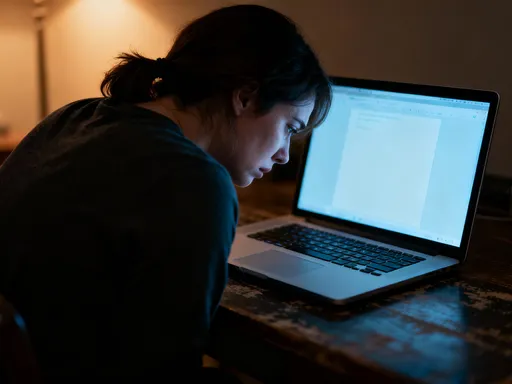
The ideal seated posture maintains a neutral spine: ears aligned over shoulders, shoulders over hips, and hips slightly higher than knees when sitting. Your feet should rest flat on the floor or on a footrest, and your lower back should have gentle support, either from a lumbar roll or an ergonomic chair. Avoid crossing your legs, as this can tilt the pelvis and strain the lower back. If you work at a desk, position your computer screen at eye level to prevent forward head posture, which adds significant strain to the upper and lower back.
Standing posture matters just as much. Whether you’re cooking, folding laundry, or waiting in line, stand with your weight evenly distributed on both feet. Engage your core lightly—imagine gently pulling your navel toward your spine—to stabilize your pelvis and reduce lumbar strain. Avoid locking your knees or leaning to one side, habits that may feel comfortable in the moment but contribute to muscle imbalances over time.
Sleep posture is equally important. The best sleeping position for spinal health is on your back with a pillow under your knees or on your side with a pillow between your legs. These positions help maintain the natural curve of the lower back and reduce pressure on the discs. Avoid sleeping on your stomach, as it forces the spine into an unnatural arch and strains the neck. A supportive mattress and pillow are essential—too soft, and your spine sags; too firm, and pressure points develop.
Small, consistent posture corrections yield long-term benefits. Think of posture not as a fixed position, but as dynamic alignment that shifts with movement. Setting reminders to check your posture every hour, using ergonomic tools, and being mindful of how you hold your phone or carry bags can make a meaningful difference. Over time, good posture becomes second nature, reducing wear and tear on the lumbar spine and preserving mobility well into later years.
Movement as Medicine: Daily Habits That Protect Your Back
Physical activity is one of the most effective ways to prevent and manage lower back pain. Contrary to old beliefs that rest is best for back pain, modern research shows that gentle, consistent movement supports healing and strengthens the spine. Walking, in particular, is a low-impact activity that improves circulation, nourishes spinal discs, and engages core muscles. Just 20 to 30 minutes of daily walking can significantly reduce stiffness and enhance overall spinal health.
Core engagement is another cornerstone of back protection. The core includes not just abdominal muscles, but also the pelvic floor, diaphragm, and muscles of the lower back and hips. When these muscles work together, they create a natural corset that stabilizes the spine. Simple exercises like pelvic tilts—lying on your back with knees bent, gently flattening your lower back against the floor—help retrain core activation and relieve pressure on the lumbar region. Performing 10 to 15 repetitions daily can improve awareness and strength.
The cat-cow stretch, performed on hands and knees, gently mobilizes the spine through flexion and extension. This movement enhances disc hydration, improves joint mobility, and releases muscle tension. Move slowly and breathe deeply, allowing each motion to flow naturally. Another beneficial exercise is the glute bridge: lying on your back with knees bent, lift your hips toward the ceiling while squeezing your glutes. This strengthens the posterior chain—glutes and hamstrings—which helps take pressure off the lower back during daily activities.
Consistency matters more than intensity. Short, daily routines are more effective than occasional vigorous workouts, which can sometimes trigger strain. Aim for 5 to 10 minutes of gentle movement each day, gradually increasing as comfort allows. Avoid harmful movements like twisting the spine under load (e.g., during yard work or lifting), deep forward bends without knee bend, or high-impact exercises that jar the spine. The goal is to build resilience through controlled, mindful motion—not to push through pain.
Lifestyle Tweaks That Make a Real Difference
Beyond posture and exercise, several lifestyle factors play a crucial role in lumbar health. Weight management is one of the most impactful. Every extra pound adds additional force to the lower back—particularly when bending or lifting. Losing even a modest amount of weight can significantly reduce spinal load and improve mobility. A balanced diet rich in anti-inflammatory foods—such as leafy greens, fatty fish, nuts, and berries—supports overall musculoskeletal health.
Hydration is another often-overlooked factor. Intervertebral discs are composed largely of water, and they rely on fluid exchange to stay plump and resilient. When dehydrated, discs become less effective at absorbing shock, increasing the risk of strain. Drinking adequate water throughout the day—about eight glasses, adjusted for activity and climate—helps maintain disc health and joint lubrication.
Sleep quality is equally important. During deep sleep, the body repairs tissues, reduces inflammation, and restores energy. Chronic sleep deprivation disrupts these processes, making the body more susceptible to pain and slower to recover. Establishing a regular sleep schedule, limiting screen time before bed, and creating a restful environment support both spinal and overall health.
Supportive footwear can also influence back health. Shoes with poor arch support or excessive heel height alter gait and pelvic alignment, transferring stress to the lower back. Opt for low-heeled, cushioned shoes with good arch support, especially if you spend long periods on your feet. When lifting, always bend at the knees, keep the object close to your body, and avoid twisting. Even small loads—like a toddler or a suitcase—can cause injury if lifted improperly.
Finally, stress reduction is essential. Chronic stress triggers muscle tension, particularly in the neck, shoulders, and lower back. Techniques such as deep breathing, mindfulness, or gentle yoga can help release this tension and promote relaxation. When the mind is calm, the body follows—making it easier to maintain good posture and move with ease.
When to Seek Professional Help — And Why It Matters
While most lower back pain can be managed with self-care, certain symptoms require prompt medical evaluation. Red flags include numbness or tingling in the legs, muscle weakness (such as difficulty lifting the foot), or pain that radiates below the knee. Most concerning is any loss of bladder or bowel control, which may indicate cauda equina syndrome—a rare but serious condition requiring immediate treatment.
Persistent pain lasting more than six weeks, pain that worsens at night, or discomfort that doesn’t improve with rest and activity modification should also prompt a visit to a healthcare provider. A doctor, physical therapist, or chiropractor can assess movement patterns, test nerve function, and identify structural issues through physical examination or imaging if needed. Early diagnosis helps rule out serious conditions and guides appropriate treatment.
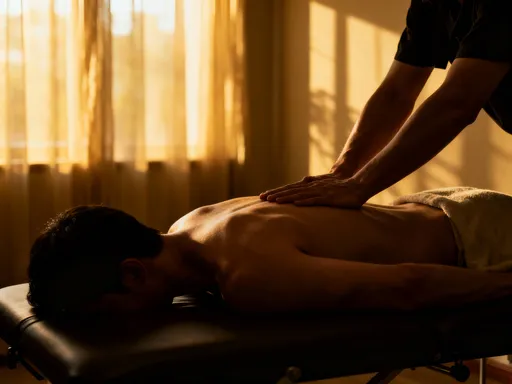
Professional care often includes personalized exercise programs, manual therapy, or education on body mechanics. A physical therapist, for example, can teach you how to move safely during daily tasks and strengthen the specific muscles that support your spine. In some cases, lifestyle counseling or ergonomic adjustments may be recommended to prevent recurrence.
Seeking help is not a sign of failure—it’s an act of self-respect. Too many people endure pain in silence, fearing judgment or believing nothing can be done. But with the right support, most back problems are manageable, and many are preventable. The earlier you intervene, the better your chances of restoring comfort and function without long-term consequences.
Your lumbar spine isn’t just a body part—it’s the foundation of your mobility and daily comfort. By understanding its needs and making small, consistent changes, you can avoid pain before it starts. This isn’t about perfection; it’s about awareness and action. Protect your back not because it hurts, but because it deserves care—every single day.