Lost in the Charm of Jeju’s Hidden Shopping Streets
Strolling through Jeju Island feels like stepping into a dream — soft ocean breezes, volcanic stone walls, and the quiet hum of local life. But beyond the hiking trails and coastal views, there’s a side of Jeju few talk about: its unexpected shopping soul. From tucked-away markets to boutique-lined alleys, I wandered without a map and found places that felt authentically Korean, refreshingly local, and totally unforgettable. This isn’t just shopping — it’s discovery. It’s about the warmth of a vendor offering a sample of honey tangerine, the quiet pride in a potter’s hands shaping clay from Hallasan’s slopes, and the surprise of turning a corner to find a sunlit courtyard filled with handmade linen clothes. In a world where travel often means ticking off landmarks, Jeju invites you to slow down, look closer, and let your curiosity lead you to something more meaningful.
The Spirit of Wandering: Why Slow Exploration Beats Itineraries
On Jeju Island, time doesn’t follow the rigid rhythm of schedules and checklists. Instead, it flows like the coastal tide — gentle, persistent, and unhurried. This natural cadence shapes the way visitors experience the island, especially when it comes to shopping. Unlike structured tours that funnel travelers into predictable stops, aimless wandering opens doors to unscripted moments — a conversation with a fishmonger arranging mackerel on ice, a glimpse into a tiny shop where a grandmother folds handmade rice cakes, or the sudden scent of roasted barley tea drifting from an alleyway café. These are not performances for tourists; they are snapshots of daily life, unfolding naturally for those willing to pause and observe.
Slow exploration is more than a travel style — it’s a mindset. It means setting aside GPS coordinates and embracing the possibility of getting lost. On Jeju, this approach yields rewards that no itinerary can guarantee. A turn down an unpaved lane might lead to a family-run stall selling freshly harvested seaweed, or a quiet courtyard where a local artist displays ink paintings inspired by the island’s misty mornings. The absence of crowds and commercialization in these spaces allows for genuine connection. You’re not just observing culture; you’re stepping into it, even if only for a few quiet minutes.
There’s also a deeper cultural context to this way of moving through the island. Jeju’s people have long lived in harmony with nature, adapting to the rhythms of the sea, the seasons, and the volcanic land. This relationship fosters patience and presence — qualities that visitors can absorb simply by slowing down. When shopping becomes an act of wandering rather than rushing, it transforms from a transaction into a narrative. Each purchase carries a story: where it was made, who made it, and how it fits into the island’s way of life. In this light, shopping is no longer about acquiring souvenirs but about collecting moments of understanding and appreciation.
Jeju’s Local Markets: Where Tradition Meets Daily Life
One of the most authentic ways to experience Jeju’s culture is through its traditional markets. These are not polished attractions designed for photo ops — they are living, breathing spaces where locals gather to shop, socialize, and sustain community ties. In Jeju City, the Jungang Underground Market offers a sensory immersion from the moment you descend the stairs. The air is rich with the saltiness of dried seafood, the sweetness of ripe tangerines, and the earthy aroma of black pork sizzling on grills. Stalls stretch in neat rows beneath fluorescent lights, each one tended by vendors who have worked the same spot for decades. Here, shopping is a dialogue — a nod, a smile, a shared comment about the morning’s catch.
Further south in Seogwipo, the Seogwipo Maeil Olle Market provides a more open-air experience, stretching along a tree-lined street near the coast. Open daily, it blends food, crafts, and daily essentials in a way that feels organic rather than staged. Fishermen arrive early with crates of octopus, squid, and red snapper, their hands still damp from the sea. Nearby, elderly women arrange pyramids of hallabong — Jeju’s famous honey tangerines — their bright orange skins glowing under the morning sun. These markets are not just places to buy; they are stages for the island’s rhythms, where commerce and community intertwine.
What makes these markets special is their authenticity. There are no overpriced trinkets aimed at tourists, no impersonal kiosks. Instead, you’ll find handmade brushes from horsehair, woven straw hats, and jars of fermented soybean paste prepared using family recipes. Vendors often speak limited English, but gestures and smiles bridge the gap. A simple “gamsahamnida” (thank you) goes a long way. The experience is tactile and immediate — you can touch the rough texture of volcanic salt, taste a sample of freshly pressed tangerine juice, or watch a vendor expertly slice raw fish for a quick snack. These markets are not just shopping destinations; they are cultural touchstones, preserving traditions that might otherwise fade in a rapidly modernizing world.
The Rise of Concept Shops: Blending Culture, Design, and Retail
In recent years, Jeju has seen a quiet revolution in retail — the rise of concept shops that blend aesthetics, storytelling, and local identity. These are not your typical souvenir stores. Instead, they are curated spaces where every item has been thoughtfully selected to reflect the island’s spirit. Often housed in renovated hanok-style buildings or sleek, minimalist spaces with ocean views, these shops offer a new kind of shopping experience — one that feels more like visiting a gallery than browsing a gift shop.
One of the defining features of Jeju’s concept shops is their integration of traditional elements with modern design. You might find a delicate hairpin inspired by the curves of a dol hareubang statue, or a linen dress embroidered with patterns reminiscent of Jeju’s wind-swept fields. Skincare lines made from volcanic clay and camellia oil are displayed alongside notebooks bound in handmade paper, each product telling a piece of the island’s story. These shops often carry items from local artisans, ensuring that the money spent supports the community directly. The emphasis is on quality, sustainability, and meaning — a clear departure from the mass-produced souvenirs found in airport gift shops.
Concept stores also serve as cultural ambassadors. In Jeju City, small boutiques feature books on Jeju’s folklore, music, and language, offering visitors a deeper understanding of the island’s heritage. Some even host mini-exhibitions or workshops, allowing guests to try their hand at calligraphy or traditional weaving. These experiences make shopping feel intentional — not just about what you buy, but why you buy it. For many travelers, especially those seeking meaningful mementos, these shops provide a satisfying alternative to generic keepsakes. They offer objects that carry weight, beauty, and a sense of place.
Tangerine Trails and Tea Paths: Shopping with a Sensory Twist
Some of Jeju’s most memorable shopping experiences happen not in stores, but in orchards, farms, and tea fields. Here, retail blends seamlessly with nature, offering a multisensory journey that engages sight, smell, taste, and touch. The island’s famous tangerine groves, particularly in the southern regions, are more than agricultural sites — they are living marketplaces. As you walk along sun-dappled paths between rows of fruit-laden trees, farmers greet you from wooden crates piled high with citrus. The air is sweet and tangy, and the invitation to sample is always open. Buying a bag of hallabong here isn’t just a purchase; it’s a participation in the harvest, a connection to the land and the people who tend it.
Equally immersive are Jeju’s tea plantations, the most renowned being the O’Sulloc Tea Garden in Seogwipo. Nestled on rolling green hills, the estate combines agriculture, education, and retail in a harmonious setting. Visitors can stroll through the manicured fields, learn about the tea-making process, and then step into the boutique to select from a range of premium green, black, and herbal teas. The shop itself is designed to reflect the tranquility of the surroundings — soft lighting, natural materials, and a quiet atmosphere that encourages reflection. You can taste different blends at a tasting bar, guided by staff who explain the nuances of each variety. The experience turns shopping into a ritual, one that honors the craftsmanship behind every leaf.
These agro-retail spaces are part of a growing trend that values transparency and authenticity. When you buy tea directly from the plantation or tangerines from the farmer, you know exactly where your product comes from. There’s no middleman, no packaging overload — just freshness and integrity. For travelers, this kind of shopping feels more personal and ethical. It’s not about accumulating items, but about savoring moments and supporting sustainable practices. Whether you leave with a box of organic tea or a basket of sun-warmed citrus, you carry with you a tangible piece of Jeju’s natural abundance.
Coastal Crafts: Finding Art in Unexpected Corners
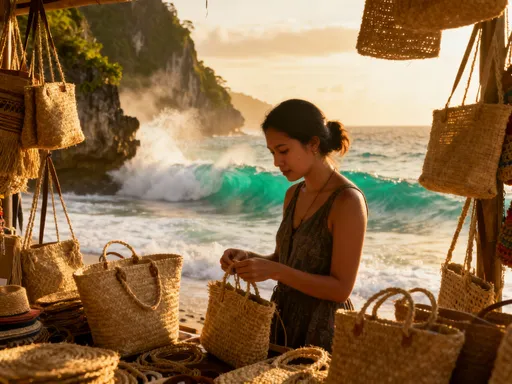
Along Jeju’s rugged coastline, tucked between lava rock formations and seaside villages, lie small workshops where artisans keep traditional crafts alive. These are not large factories or tourist-oriented galleries, but humble studios where skill is passed down through generations. In places like Aewol or Hamo, you’ll find potters shaping clay from Hallasan’s volcanic soil into elegant bowls and vases, their hands moving with practiced precision. Nearby, weavers sit at wooden looms, crafting bori straw bags — a Jeju specialty known for their durability and timeless design. These crafts are not made for mass appeal; they are expressions of identity, resilience, and deep connection to the island’s environment.
Many of these artisans open their workshops to visitors, not as formal attractions, but as invitations to witness the creative process. There’s no pressure to buy — just the opportunity to observe, ask questions, and perhaps try a simple technique under patient guidance. In one seaside village, a sculptor shapes dol hareubang faces from black stone, each one unique in expression, reflecting the guardian spirit that has watched over Jeju for centuries. His shop is little more than a shed with a hand-painted sign, yet it holds some of the most authentic representations of the island’s cultural symbols.
Supporting these craftspeople is more than a shopping choice — it’s an act of cultural preservation. As global markets favor speed and uniformity, handmade traditions risk disappearing. By purchasing a hand-thrown mug or a woven hat directly from the maker, travelers contribute to the sustainability of these art forms. These items may cost more than factory-made souvenirs, but they carry a value that cannot be measured in price alone. They are imbued with time, care, and story. For the thoughtful traveler, especially those who value authenticity and craftsmanship, these quiet corners of Jeju offer some of the most rewarding finds.
Urban Alleys of Jeju City: The Pulse of Trendy, Local Retail
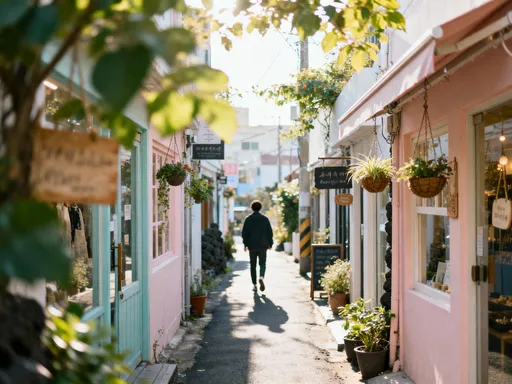
While Jeju’s countryside offers serenity and tradition, its urban centers pulse with youthful energy and creative expression. In Jeju City, away from the harbor and main thoroughfares, a network of side streets reveals a different side of the island — one shaped by young entrepreneurs, artists, and designers. These alleys are lined with indie boutiques, dessert cafés with curated gift corners, and tiny bookshops specializing in regional literature. Murals in soft pastels and bold brushstrokes adorn the walls, turning ordinary passages into open-air galleries. This is where Jeju’s modern identity flourishes — not in contradiction to tradition, but in dialogue with it.
Walking through these neighborhoods feels like discovering a secret. A pastel-pink café might double as a stationery shop, selling hand-illustrated postcards and notebooks featuring local flora. Around the corner, a minimalist store offers clothing made from organic cotton, dyed with natural pigments inspired by Jeju’s landscapes. These businesses are often run by women who have returned to the island after studying in Seoul, bringing fresh ideas while honoring their roots. Their shops reflect a desire to celebrate Jeju not as a nostalgic relic, but as a living, evolving culture.
What makes these urban retail spaces special is their balance between trend and tradition. You’ll find modern reinterpretations of hanbok elements in accessories, or skincare products packaged in reusable glass jars with labels in Jeju dialect. Even dessert menus pay homage to local flavors — think hallabong tarts, black sesame lattes, and rice cake parfaits. These details may seem small, but they reflect a deeper intention: to create a sense of place that feels both contemporary and rooted. For visitors, exploring these alleys is like reading a love letter to Jeju — written by its people, in their own words and designs.
How to Shop Like a Local: Practical Tips for Meaningful Finds
To truly experience Jeju’s shopping culture, a few practical considerations can make a big difference. First, timing matters. Traditional markets are most vibrant in the morning, when the freshest seafood, produce, and baked goods arrive. Visiting by midday means missing the energy and the best selections. Similarly, tea plantations and orchards are best explored on weekday mornings, when crowds are thinner and staff are more available for conversation. Planning your route around these rhythms ensures a more authentic experience.
Transportation is another key factor. While rental cars offer flexibility, Jeju’s public buses are reliable and reach most major markets and cultural sites. If you plan to carry purchases — especially fresh food or fragile crafts — pack a reusable tote bag. Many local vendors do not provide plastic bags, and bringing your own aligns with the island’s growing emphasis on sustainability. For heavier items like pottery or large tea sets, some shops offer shipping services, allowing you to send purchases home without the burden of carrying them.
When choosing souvenirs, focus on quality and origin. A real Jeju memento is not a plastic keychain shaped like a dol hareubang, but a jar of handmade red ginseng jam, a handwoven bori bag, or a small painting from a local artist. Look for signs of craftsmanship — uneven stitching in a linen shirt, slight variations in a ceramic glaze, or the natural scent of volcanic clay in a soap bar. These imperfections are not flaws; they are proof of human touch. Engaging with sellers also enhances the experience. Even a simple exchange — pointing to an item, asking “This one, how made?” — can lead to a meaningful interaction. Many vendors appreciate the effort, even if the conversation is brief.
Finally, be mindful of over-commercialized areas. While convenient, large souvenir malls near tourist hubs often sell imported goods labeled as “local.” By choosing smaller, independent shops and markets, you support the island’s true economy and culture. Shopping with intention transforms the act from consumption to connection. It becomes a way of honoring Jeju’s spirit — not by taking something away, but by carrying a piece of its heart with you.
Wandering through Jeju’s hidden shopping streets is more than a pastime — it’s a journey into the soul of the island. Each alley, market, and workshop tells a story of resilience, creativity, and quiet pride. When you shop with curiosity and respect, you don’t just bring home souvenirs; you bring back memories woven with human warmth and natural beauty. In a world that often feels rushed and disconnected, Jeju reminds us that the most meaningful experiences come not from ticking off destinations, but from slowing down, looking closely, and letting the world reveal itself one small, beautiful detail at a time.