You Gotta See What I Found in Sun City’s Hidden Shopping Spots
Sun City, South Africa isn’t just about luxury resorts and thrilling entertainment—it’s a shopper’s paradise hiding in plain sight. I went in looking for souvenirs and left with stories, style, and a bag full of surprises. From local craft markets to polished boutiques, the shopping experience here is vibrant, diverse, and totally underrated. If you're planning a visit, let me show you the real retail rhythm of this iconic destination—practical, personal, and packed with personality. What I discovered wasn’t just beautiful merchandise, but a deeper connection to South African culture, one woven basket, beaded bracelet, and hand-printed fabric at a time. This is shopping that feels meaningful, not just indulgent.
First Impressions: Shopping Beyond the Glitz
When most travelers think of Sun City, images of the opulent Sun City Resort, the cascading Valley of the Waves, or the electric energy of the casino often come to mind. Shopping may not be the first thing on the itinerary, but it should be. Upon arrival, the first retail spaces that greet visitors are part of the resort’s well-designed arcade system, blending convenience with charm. The initial impression is one of polished tourism—glass storefronts, international brands, and souvenir stands offering keychains and postcards. But look closer, and a more authentic layer emerges. Beyond the predictable gift shops are stalls and boutiques that feature goods made by local artisans, often within a few hours’ drive of the resort.
The contrast between tourist-focused retail and community-driven commerce is subtle but significant. While some stores cater to quick, impulse buys with mass-produced trinkets, others proudly display handmade crafts, each piece carrying a story of heritage and skill. The shift from generic souvenirs to authentic creations becomes noticeable as you move from the main entrance toward the peripheral market zones. What makes Sun City’s shopping experience stand out is this coexistence—a space where global tourism meets grassroots creativity. It’s not about replacing one with the other, but rather allowing both to thrive in a way that enriches the visitor’s journey.
What surprised me most was how approachable and welcoming the shopping environment felt. Unlike some tourist-heavy destinations where vendors can seem transactional, the artisans and shopkeepers in Sun City often engage with warmth and pride. Many are eager to explain the origins of their products, whether it’s the symbolism behind a Ndebele-inspired bead pattern or the natural ingredients in a locally formulated body balm. This personal touch transforms shopping from a simple exchange into a cultural dialogue. For a 30- to 55-year-old traveler—someone who values both comfort and authenticity—this balance of accessibility and depth is exactly what makes Sun City’s retail scene so rewarding.
The Palace Arcade: Style, Selection, and Smart Finds
At the heart of Sun City’s shopping experience lies The Palace Arcade, a thoughtfully designed retail corridor that connects key areas of the resort. Far from feeling like a sterile mall, the arcade blends indoor and outdoor elements, with high ceilings, natural lighting, and lush landscaping that reflect the surrounding bushveld. The layout is intuitive, making it easy to navigate even during peak hours. Stores are grouped by category—fashion, jewelry, wellness, and home décor—allowing visitors to browse with purpose. What makes this space particularly appealing is its curation. While you’ll find familiar names like fashion boutiques and perfume counters, the emphasis is on showcasing South African talent.
Among the standout stores are those dedicated to local designers and emerging brands. One boutique I returned to twice specializes in contemporary takes on traditional Zulu and Sotho textiles, offering everything from tailored dresses to cushion covers. Another features hand-carved wooden sculptures and abstract art pieces, each signed by the artist and accompanied by a small biography. These details matter—they elevate the shopping experience from mere acquisition to appreciation. Jewelry stores are equally impressive, with collections that incorporate indigenous materials like turquoise from the Northern Cape, African brass, and ethically sourced gemstones.
One of my favorite discoveries was a skincare boutique offering plant-based products made from rooibos, marula oil, and buchu—ingredients native to South Africa. The staff were knowledgeable and happy to offer samples, explaining how each product supports local farming communities. This level of service, combined with transparent sourcing, made the purchase feel intentional. Practical considerations are well addressed here. Most stores accept major credit cards, and ATMs are conveniently located. Operating hours typically run from 9:00 AM to 9:00 PM, with extended hours during holiday seasons. Staff are generally multilingual and accommodating, often going out of their way to assist international guests.
For visitors looking to make smart, meaningful purchases, The Palace Arcade delivers. It’s not about buying everything in sight, but about selecting pieces that resonate—whether it’s a beaded clutch that doubles as art or a bottle of perfume infused with the scent of the Highveld. The atmosphere encourages slow browsing, and the absence of aggressive sales tactics makes it a relaxing experience. It’s the kind of place where you can start your morning with coffee in hand, stroll at your own pace, and leave with something that feels both luxurious and grounded in place.
Local Markets & Pop-Ups: Where Culture Meets Commerce
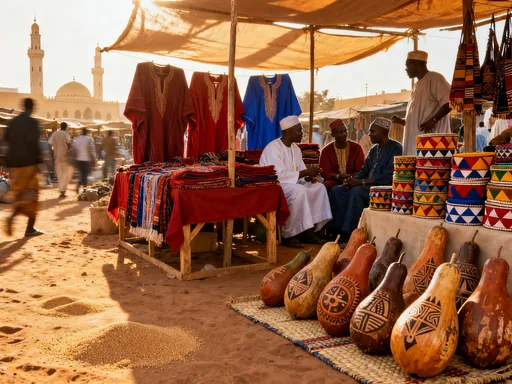
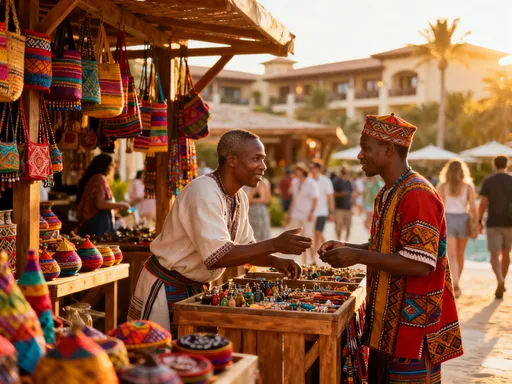
While The Palace Arcade offers polished retail, the true soul of Sun City’s shopping scene comes alive at the weekend markets and pop-up artisan stalls near the resort’s entrance. These temporary setups operate on Fridays through Sundays, transforming open-air plazas into vibrant hubs of color, sound, and craftsmanship. The energy is infectious—live drumming often accompanies the display of handwoven baskets, and the scent of rooibos tea mingles with the earthy aroma of raw leather. These markets are not staged performances for tourists; they are real marketplaces where local creators bring their work directly to buyers.
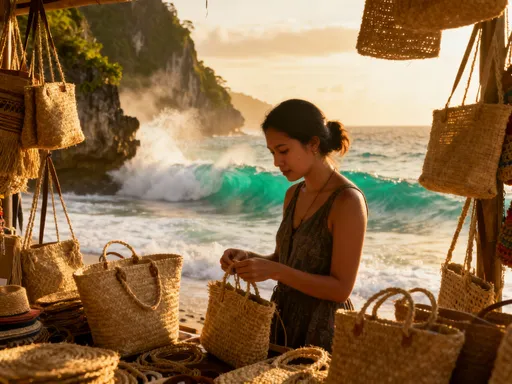
The craftsmanship on display is exceptional. I watched a woman from a nearby village carefully stitching a leather handbag using techniques passed down through generations. Another vendor displayed a range of printed textiles featuring bold geometric patterns inspired by Southern African traditions. The colors—deep ochres, indigo blues, and vibrant reds—are impossible to ignore, each hue carrying cultural significance. Woven baskets, in particular, stood out. Made from ilala palm or grass reeds, they are both functional and artistic, often used in traditional ceremonies or as home décor. What makes these items special is not just their beauty, but their story—many artisans are part of cooperatives that ensure fair wages and sustainable practices.
Pricing at these markets is generally fair, and in most cases, prices are fixed—especially for goods sold through organized pop-ups. However, in informal settings, polite negotiation is sometimes acceptable, though it should always be done with respect. A simple smile and a friendly question like “Is this your best price?” can go a long way. The key is to approach bargaining not as a contest, but as a conversation. Many vendors appreciate genuine interest more than haggling. If you’re unsure, it’s perfectly acceptable to pay the listed price—knowing that your purchase directly supports the maker.
For travelers seeking authentic souvenirs, these markets are treasure troves. I recommend focusing on items that are both beautiful and useful: a hand-printed table runner, a beaded keychain, or a small wooden sculpture. These pieces are easy to pack and serve as lasting reminders of your trip. The experience of shopping here is just as valuable as the items themselves. It’s a chance to connect with people, learn about their lives, and take part in a tradition of craftsmanship that has endured for centuries. For a family-oriented traveler, this is the kind of experience you can share with children or grandchildren—teaching them about culture, creativity, and the value of handmade goods.
Luxury with a Purpose: Boutiques That Support Local Artisans
One of the most inspiring aspects of Sun City’s shopping landscape is the rise of boutiques that blend luxury with social impact. These curated spaces go beyond aesthetics—they are mission-driven, partnering with rural communities to bring artisan-made products to a wider audience. Unlike mass-market retailers that prioritize profit over people, these boutiques operate on principles of fair trade, sustainability, and cultural preservation. Walking into one feels different—there’s a sense of intention behind every display, every price tag, every product description.
One such boutique, located near the casino entrance, specializes in high-end homeware and accessories made by women’s cooperatives in Limpopo and Mpumalanga. Their collection includes hand-embroidered linens, ceramic tableware, and hand-dyed scarves using natural pigments. Each item comes with a card detailing the artisan’s name, village, and creative process. This transparency builds trust and deepens the emotional connection between buyer and maker. It’s one thing to buy a beautiful scarf; it’s another to know it was woven by a mother of three who now supports her family through her craft.
These boutiques are not charity shops—they offer premium products at premium prices, but the value is undeniable. The quality is exceptional, and the uniqueness ensures you won’t find the same item in a department store back home. For the discerning shopper, this is where you invest in pieces that last—both in durability and in meaning. The staff in these stores are often trained in ethical sourcing and are passionate about sharing the stories behind the products. They don’t just sell; they educate, helping visitors understand the broader impact of their purchase.
For travelers who want their spending to make a difference, these boutiques offer a powerful opportunity. You’re not just buying a souvenir—you’re contributing to job creation, skills development, and cultural preservation. It’s a form of responsible tourism that doesn’t sacrifice elegance or style. If you’re looking for a gift that carries weight—something for a loved one or even for yourself—this is where to shop. The experience is quiet, respectful, and deeply moving. It reminds you that luxury doesn’t have to be extractive; it can be generative, lifting up communities while enriching your own journey.
Dining & Retail: The Combo You Didn’t Know You Needed
Shopping is more enjoyable when it’s part of a larger experience—and in Sun City, retail and dining are seamlessly intertwined. After an hour of browsing, there’s nothing better than settling into a shaded café with a cold drink and a plate of local flavors. The resort’s planners understood this well, placing casual eateries and full-service restaurants within easy walking distance of the main shopping zones. Whether you need a quick energy boost or a leisurely meal, the options are both convenient and satisfying.
One of my favorite stops was a riverside café near The Palace Arcade, where I enjoyed a spinach and feta quiche with a side of roasted sweet potatoes—simple, fresh, and perfectly seasoned. The outdoor seating offered views of the landscaped gardens and passing shoppers, creating a relaxed ambiance. Another highlight was a juice bar offering cold-pressed blends with indigenous ingredients like baobab and aloe vera. These small breaks not only recharge the body but also provide mental space to reflect on what you’ve seen and decide what to buy.
What makes these dining experiences special is how they complement the shopping journey. Some retail plazas host live music on weekends, with local musicians performing traditional songs or acoustic sets. Others feature rotating cultural displays—temporary exhibitions of beadwork, pottery, or textile art—that deepen your appreciation for the crafts you’re seeing in the stores. These elements transform shopping from a transactional activity into a cultural immersion.
Timing your visit can enhance the experience. Early mornings, between 9:00 and 11:00 AM, are ideal for shopping—fewer crowds, cooler temperatures, and fresh stock on display. Mid-afternoon, around 2:00 to 4:00 PM, is perfect for a dining break, especially if you want to avoid the midday heat. Evenings bring a different energy, with soft lighting and ambient music making the arcades feel romantic and inviting. For families, combining shopping with a meal allows everyone to participate at their own pace—kids can enjoy a treat while adults browse, or the whole group can take a break together. This rhythm—shop, eat, explore, repeat—makes the day feel full without being exhausting.
Smart Shopping Strategies: What to Buy, What to Skip
With so many options, it’s easy to get overwhelmed. To make the most of your time and budget, it helps to have a strategy. Not every item on display is worth buying, and some are clearly designed to appeal to impulse rather than intention. The key is to focus on value—both in quality and in meaning. Start by identifying what truly represents South African culture. Handmade crafts, natural skincare, and locally designed fashion are almost always better choices than mass-produced souvenirs like plastic figurines or imported jewelry.
Be cautious of items that look “too perfect” or too generic. If a wooden carving or textile pattern seems identical to what you’ve seen in other tourist spots, it’s likely not locally made. Authentic crafts often have slight imperfections—variations in color, texture, or stitching—that speak to their handmade nature. These are not flaws; they are marks of authenticity. When in doubt, ask questions. A genuine artisan will be happy to explain their process. If the seller hesitates or can’t provide details, it’s a red flag.
Here’s a simple checklist of top-value purchases and where to find them: (1) Handwoven baskets—available at weekend markets; (2) Beaded jewelry—best found in boutique stalls near The Palace Arcade; (3) Natural skincare—visit the dedicated wellness boutique; (4) Printed textiles—look for pop-up vendors with story cards; (5) Local coffee or rooibos tea—sold in gift shops and cafes. These items are practical, packable, and meaningful—perfect for gifts or personal keepsakes.
Safety and storage are also worth considering. Keep purchases in a secure bag, and if you’re staying at the resort, ask if your hotel offers luggage storage for day use. Avoid carrying large amounts of cash; most vendors accept cards, but it’s wise to have some rand on hand for smaller stalls. And remember—just because something is beautiful doesn’t mean you need it. Mindful shopping means buying only what you truly love and will use. This approach not only saves money but also ensures your souvenirs have lasting significance.
Beyond the Purchase: How Sun City’s Shopping Tells a Story
As I packed my suitcase at the end of the trip, I looked at my purchases not just as objects, but as storytellers. Each item carried a memory—a conversation with a weaver, the scent of marula oil, the sound of drumming at the market. Shopping in Sun City had become more than a pastime; it was a way of connecting with a culture, of participating in a legacy of craftsmanship and community. For travelers in their 30s to 50s, especially those who value meaningful experiences over material accumulation, this kind of retail journey offers something rare: authenticity in a world that often feels manufactured.
Ethical consumption isn’t just a trend—it’s a mindset. When you choose to support local artisans, you’re not just buying a product; you’re investing in people, in traditions, in sustainability. Sun City’s shopping scene proves that tourism and responsibility can coexist. The boutiques, markets, and arcades aren’t just places to spend money—they’re spaces where culture is preserved, celebrated, and shared. This is what makes the experience so powerful. It’s not about how much you buy, but how deeply you engage.
As you plan your visit, I encourage you to shop with intention. Look beyond the surface. Talk to the makers. Learn the stories. Let your purchases reflect not just your taste, but your values. Take home more than souvenirs—take home understanding, appreciation, and a sense of connection. Sun City’s hidden shopping spots aren’t just retail destinations; they’re gateways to the heart of South Africa. And once you’ve walked through them with open eyes and an open heart, you’ll realize that the best things you carry back aren’t just in your bag—they’re in your memory, your perspective, and your spirit.