You Gotta See This – Harare’s Art Scene Blew My Mind
Harare isn’t just Zimbabwe’s capital—it’s a cultural heartbeat pulsing with color, rhythm, and raw creativity. I went expecting quiet streets, but found open-air galleries, vibrant markets, and artists turning pain into powerful expression. From street murals that tell national stories to intimate studio visits with local painters, Harare’s art and culture scene is alive and deeply authentic. If you’re chasing real African creativity, this city should be on your radar.
Arrival in Harare: First Impressions vs. Reality
Most travelers arrive in Harare with cautious expectations. Images of economic hardship and political turbulence often dominate international headlines, shaping a narrative that overlooks the city’s rich cultural pulse. Yet within minutes of stepping off the plane, those preconceptions begin to dissolve. The air carries a mix of jacaranda blossoms and grilled maize, and the city unfolds not as a place of silence, but of constant, creative hum. What strikes visitors first is not scarcity, but abundance—an abundance of expression, of color, of life spilling from every corner.
Neighborhoods like Avondale and Milton Park reveal a different Harare than the one portrayed in outdated travel guides. Tree-lined avenues host sidewalk art stalls, and cafes double as mini-galleries, their walls adorned with contemporary Zimbabwean paintings. Even the city’s minibus taxis, known locally as “kombis,” are moving canvases, painted with bold slogans, religious messages, and vibrant geometric patterns that reflect both personal identity and cultural pride. These are not mere decorations; they are declarations of existence, resilience, and joy in the face of adversity.
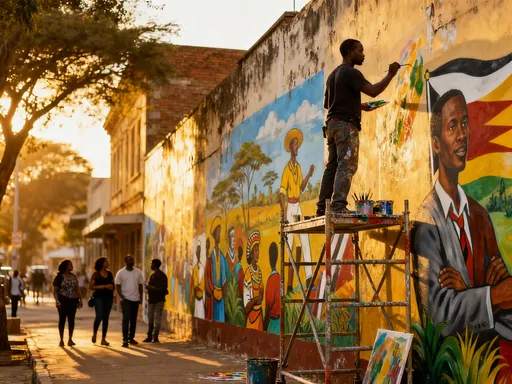
The city’s creative energy is not confined to designated spaces. It leaks into everyday life, transforming the ordinary into the extraordinary. A traffic light becomes a stage for a young musician with a hand-carved mbira. A crumbling wall in the central business district hosts a mural of a Zimbabwean freedom fighter, eyes fixed forward, fists raised. These moments are not staged for tourists; they are lived realities, part of a cultural ecosystem where art is not a luxury, but a necessity. For the discerning traveler, Harare offers not escape, but immersion—an invitation to witness creativity as a way of life.
The Soul of the City: Understanding Zimbabwean Art & History
To appreciate Harare’s art scene, one must first understand the deep historical and cultural roots from which it grows. Zimbabwe has long been a cradle of artistic innovation, most famously through the Shona sculpture tradition. Originating from the Shona people, this stone carving practice dates back centuries and gained international acclaim in the mid-20th century. Using serpentine, opal, and springstone, Shona sculptors create abstract and figurative works that convey spiritual themes, ancestral connections, and the harmony between humans and nature. These sculptures are not merely objects; they are vessels of meaning, often passed down through generations.
Equally significant is the Ndebele aesthetic, characterized by bold, geometric murals painted on homestead walls. These intricate patterns, traditionally created by Ndebele women, serve as markers of identity, resistance, and storytelling. During periods of displacement and oppression, these visual languages preserved cultural memory and asserted presence. Today, their influence is visible in contemporary fashion, architecture, and urban art across Harare, forming a visual bridge between past and present.
Post-independence Zimbabwe saw an explosion of artistic expression, as creators began to grapple with the complexities of nationhood, identity, and social change. Art became a tool for commentary, a way to process collective trauma and envision new futures. In Harare, this legacy lives on in every brushstroke and chisel mark. Artists here do not create in isolation; they respond to their environment, addressing themes such as economic hardship, gender roles, environmental concerns, and national pride. Their work is not decorative—it is dialogic, inviting viewers to listen, reflect, and engage.
Colonial history and economic challenges have undeniably shaped the texture of Zimbabwean art. Limited access to imported materials has led to remarkable innovation: paint made from natural pigments, canvases repurposed from flour sacks, sculptures carved from found stone. These constraints have not stifled creativity; they have refined it, fostering a culture of resourcefulness and authenticity. To walk through Harare’s art spaces is to witness art that is not only beautiful but deeply rooted in lived experience.
Top Cultural Hotspots: Where to Experience Authentic Art
No visit to Harare’s art scene is complete without a stop at the National Gallery of Zimbabwe. Located in the heart of the city, this institution serves as both a museum and a cultural anchor, housing one of the most significant collections of contemporary African art on the continent. Opened in 1955, the gallery has evolved into a dynamic space that celebrates Zimbabwean and pan-African creativity. Its permanent collection includes works by legendary sculptors like Bernard Matemera and painters such as Thomas Mukarobgwa, while rotating exhibitions spotlight emerging voices and experimental forms.
The gallery’s outdoor sculpture garden is a particular highlight, where stone figures rise from manicured lawns like silent sentinels of history. Families gather here on weekends, children weaving between sculptures, while elders sit on benches, watching with quiet pride. The National Gallery also hosts regular public programs—artist talks, film screenings, and youth workshops—making it not just a repository of art, but a living, breathing community space. Entry is modest, and guided tours are available, offering deeper insight into the symbolism and techniques behind the works.
For those seeking more intimate encounters with contemporary art, Gallery Delta in the Milton Park neighborhood offers a refined yet accessible experience. Founded in 1975, it has long been a launchpad for new talent, championing innovation and artistic risk. The gallery’s rotating exhibitions feature mixed media works, abstract paintings, and conceptual installations that push the boundaries of traditional Zimbabwean art. Staff are knowledgeable and welcoming, often facilitating direct conversations between visitors and artists.
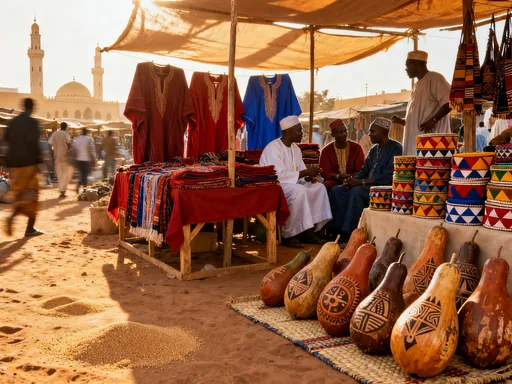
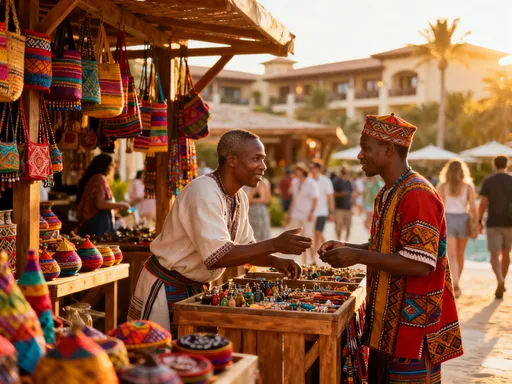
But perhaps the most authentic art experience in Harare happens every Saturday at the Kopje Art and Craft Market. Nestled at the base of a granite hill in the suburb of Mount Pleasant, this open-air market draws dozens of artists from across the country. Here, travelers can meet painters, potters, textile artists, and jewelers in person, watching them work and hearing the stories behind their pieces. Prices are fair, and bargaining is expected, but always done with respect. Purchasing art here means supporting individuals directly, often making the difference between a meal and hunger for a family. It’s not just shopping—it’s solidarity.
Beyond Galleries: Street Art and Urban Creativity
While galleries provide curated insight, Harare’s true artistic soul spills into the streets. The city’s walls, once blank and neglected, have become dynamic storytelling surfaces. In recent years, mural projects have transformed underpasses, building facades, and market walls into open-air museums. These works are not random graffiti; they are intentional, community-driven expressions of identity, history, and hope. One prominent mural in the city center depicts a Zimbabwean woman in traditional dress holding a book and a hoe, symbolizing the dual roles of education and agriculture in national development.
Other murals honor historical figures like Thomas Mapfumo, the musician known as the “lion of Zimbabwe,” whose songs became anthems of resistance during the liberation struggle. These public artworks serve multiple purposes: they beautify urban spaces, educate younger generations, and assert cultural pride in areas that might otherwise be overlooked. For travelers, walking through these neighborhoods becomes a self-guided tour of Zimbabwe’s living history, where every corner reveals a new narrative.
The rise of street art in Harare is also a response to limited access to formal exhibition spaces. Many young artists cannot afford gallery fees or import materials, so they turn to the streets as their canvas. Using donated paint or repurposed supplies, they create large-scale works that demand attention. Some are supported by local NGOs and cultural organizations that provide training and materials, fostering a new generation of socially engaged artists. These initiatives not only empower creators but also revitalize neighborhoods, turning forgotten zones into destinations.
For visitors, engaging with street art requires mindfulness. Photography is welcome, but it should be done respectfully—always ask permission when artists are present, and avoid disrupting their work. Some murals are located in busy markets or residential areas, so sensitivity to the local context is key. Rather than treating these spaces as photo backdrops, consider them as conversations. Read the messages, learn the symbols, and if possible, speak with the artists. Their stories are as important as the images they create.
Connecting with Creators: Studio Visits and Artist Workshops
One of the most rewarding ways to experience Harare’s art scene is by stepping into the spaces where creativity happens. In suburbs like Borrowdale, Highlands, and Greendale, numerous artists open their studios to visitors, offering rare glimpses into their processes and lives. These studio visits are not commercial tours; they are personal invitations into the heart of artistic practice. You might find a sculptor chiseling stone in her backyard, a painter mixing natural pigments under a shade tree, or a family of potters shaping clay passed down through generations.
Many of these artists welcome travelers not just as observers, but as participants. Hands-on workshops in pottery, painting, and stone carving are increasingly available, often arranged through local tour operators or cultural centers. These experiences are especially meaningful for families and older travelers seeking deeper connection. In a pottery session, for instance, you might learn to shape a bowl using traditional coiling techniques, then paint it with Ndebele-inspired patterns. The process is meditative, grounding, and deeply satisfying.
These workshops do more than teach skills; they build bridges. As you work alongside Zimbabwean artists, conversations unfold naturally—about life, inspiration, challenges, and dreams. You learn that art here is not a career path in the Western sense, but a calling, often sustained through sheer determination. Many artists support extended families, fund children’s education, or contribute to community projects through their sales. When you buy a piece directly from a studio or workshop, you are not just acquiring art; you are contributing to a livelihood, a legacy, a future.
Some studios also offer multi-day retreats, where travelers can immerse themselves in the creative process over several days. These programs include guided meditation, nature walks for inspiration, and collaborative art projects. They are ideal for those seeking transformation, not just tourism. In these quiet, focused spaces, far from the noise of daily life, visitors often discover their own creativity reawakening, sparked by the authenticity and generosity of their hosts.
Cultural Etiquette & Practical Tips for Art-Focused Travelers
Engaging with Harare’s art scene is as much about respect as it is about appreciation. Zimbabweans are warm and welcoming, but they value dignity and authenticity in interactions. When approaching an artist, whether at a market or on the street, begin with a greeting. A simple “Hi, how are you?” or “Nhema zvakanaka” (Good morning in Shona) goes a long way. Ask permission before photographing people or their work, and take time to listen to their stories. Most artists are happy to share the meaning behind their pieces, and these conversations often become the most memorable part of a visit.
Bargaining is common at markets like Kopje, but it should be done with fairness in mind. Start by asking the price, then offer slightly less if you feel it’s high, but avoid aggressive haggling. Remember, many artists rely on these sales for survival. If the price feels beyond your budget, consider buying a smaller piece or a print. The goal is not to get the cheapest deal, but to support the creator while staying within your means. A fair transaction builds trust and honors the value of the work.
Transportation in Harare is manageable with planning. Ride-hailing apps like Bolt and InDrive operate in the city and are safer than unmarked taxis. For gallery visits and market trips, booking a driver for the day is a convenient option. Public buses exist but can be crowded and confusing for newcomers. The best times to visit cultural sites are weekday mornings or Saturday mornings at the Kopje Market, when crowds are smaller and artists are most present.
Safety in Harare is generally good for tourists who exercise common sense. Avoid walking alone at night in unfamiliar areas, keep valuables discreet, and stay aware of your surroundings. Most locals are honest and helpful, and many go out of their way to assist visitors. Dress modestly, especially when visiting studios or residential areas, as a sign of respect. And always carry small denominations of Zimbabwean dollars or US dollars for market purchases, as change can be difficult to find.
Why Harare Deserves a Closer Look – A Call to Curious Travelers
Harare remains one of Africa’s most underrated cultural destinations. Overshadowed by more marketed cities, it has flown under the global tourism radar for too long. Yet for those willing to look beyond headlines and stereotypes, it offers something rare: authenticity. This is not a city performing for tourists; it is a city living, creating, and healing through art. Its galleries, markets, and streets tell a story of resilience, beauty, and unyielding spirit.
The artists of Harare are not waiting for the world to notice them—they are already building their own platforms, teaching their children, and shaping national identity. But they welcome thoughtful visitors, those who come not to take, but to listen, learn, and connect. In an age of mass tourism and curated experiences, Harare offers the opposite: raw, unfiltered humanity expressed through color, form, and stone.
To travel to Harare is not just to see art—it is to participate in a cultural renaissance. It is to witness how creativity can flourish even in difficult conditions, how beauty can emerge from struggle, and how art can be both a mirror and a map for a nation’s soul. For the 30- to 55-year-old traveler, often balancing family, work, and personal growth, this kind of journey offers more than sightseeing. It offers meaning.
So if you’re ready to move beyond the expected, to trade polished itineraries for real connection, Harare awaits. Come not as a spectator, but as a witness. Let the murals speak to you. Let the sculptures stir something deep. Let the artists remind you of what creation can do. This city doesn’t just deserve a visit—it deserves your attention, your respect, and your heart.