You Won’t Believe Where I Found Bergen’s Coolest Souvenirs
Shopping in Bergen isn’t just about picking up trinkets—it’s a journey through nature and culture. Nestled between fjords and mountains, this Norwegian gem blends protected landscapes with authentic local craftsmanship. I never expected to find such unique, eco-conscious treasures rooted in sustainability. From harbor-side markets to mountain-inspired designs, every purchase tells a story. Let me take you through the places where nature meets craftsmanship, and shopping becomes an adventure in itself.
The Heartbeat of Bergen: Where Nature Meets Urban Life
Bergen is a city shaped by its dramatic surroundings. Cradled by seven mountains and facing the deep blue waters of the Byfjord, it exists in constant dialogue with the natural world. This intimate relationship is not merely scenic—it defines the rhythm of daily life and the values of its people. Protected areas like Folgefonna National Park, with its vast glacier and rugged hiking trails, lie within easy reach, reminding residents and visitors alike of the delicate balance between human activity and environmental preservation. The city's identity is deeply tied to these landscapes, and this reverence for nature permeates everything from architecture to retail.
What makes Bergen unique is how seamlessly urban life integrates with wild spaces. Residents often begin their day with a morning hike up Fløyen, descend for coffee and a meeting in the city center, and finish with a ferry ride to a fjord-side cabin—all in a single day. This lifestyle, known locally as friluftsliv, or 'open-air living,' is more than recreation; it is a cultural philosophy that emphasizes simplicity, presence, and respect for nature. As a result, consumption habits reflect this ethos. Shoppers are not just looking for souvenirs—they are seeking meaningful objects that align with their values of sustainability, authenticity, and connection to place.
Local businesses respond to this demand by prioritizing eco-conscious production and transparent sourcing. Whether it’s a bakery using organic flour from nearby farms or a boutique stocking garments made from recycled wool, the commercial landscape mirrors the city’s environmental commitments. Bergen’s inclusion within UNESCO’s World Heritage network through the Bryggen district further reinforces the importance of cultural and ecological stewardship. In this context, shopping becomes a quiet act of preservation—a way to support practices that protect the very landscapes that inspire them.
Bryggen Wharf: More Than Just a Tourist Spot
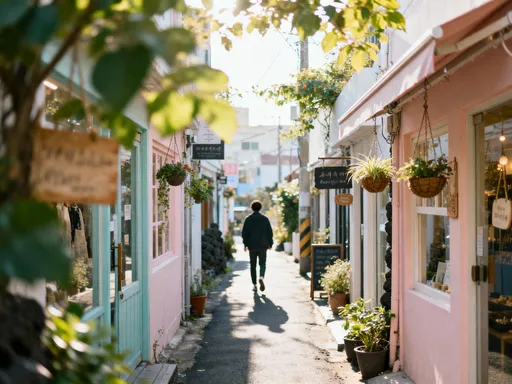
Bryggen is often the first stop for visitors, and for good reason. This historic wharf, with its iconic rows of colorful wooden buildings leaning slightly with age, is one of Norway’s most recognizable landmarks. But beyond the postcard views lies a living marketplace where centuries of trade continue in a modern form. Once a hub for Hanseatic merchants trading stockfish and timber, Bryggen now hosts a curated collection of small shops that celebrate Norwegian craftsmanship. These are not souvenir stalls filled with mass-produced imports, but independent boutiques offering hand-knitted sweaters, hand-thrown ceramics, and intricately carved wooden utensils made by local artisans.
The authenticity of Bryggen is carefully preserved through strict conservation guidelines. As a UNESCO World Heritage site, any renovation or commercial use must adhere to architectural and historical standards that protect its character. This means no flashy signage, no chain stores, and no plastic trinkets. Instead, shopfronts remain modest, with hand-painted signs and displays that invite curiosity. Inside, the experience is intimate—a chance to speak directly with shop owners, many of whom are artists themselves or closely connected to the makers. A handwoven shawl might come with a note about the sheep farm where the wool was sourced; a ceramic mug might bear the mark of a potter from the nearby island of Askøy.
What stands out is the sense of continuity. The same wooden beams that once held barrels of dried fish now support shelves of sustainably dyed textiles. The wharf’s history of trade lives on, but with a new emphasis on ethical exchange. Visitors are not just consumers but participants in a tradition of craftsmanship that values quality over quantity. By choosing to buy here, they contribute to the preservation of both cultural heritage and the skilled trades that sustain it. In a world of fast fashion and disposable goods, Bryggen offers a refreshing alternative—one where every object has a story, and every purchase carries weight.
Local Markets with a Mission: Fish Market & Beyond
Just a short walk from Bryggen, the Bergen Fish Market, or Fisketorget, is a sensory delight and a model of sustainable commerce. Established over 150 years ago, it has evolved from a simple fish auction into a vibrant marketplace that balances tradition with modern environmental awareness. The air carries the crisp scent of the sea, mingling with the aroma of freshly baked flatbread and smoked salmon. Vendors proudly display their catch—Atlantic cod, Arctic char, and king crab—with placards indicating the fishing method and origin. Many stalls carry eco-certifications such as MSC (Marine Stewardship Council), signaling their commitment to responsible fishing practices.
But the market is more than seafood. Adjacent stalls feature artisans selling plant-based soaps, beeswax wraps, and hand-stitched leather goods—items that reflect Bergen’s broader shift toward low-impact living. One vendor, a third-generation fishmonger, also sells reusable kelp-wrapped packages of dried fish, eliminating plastic entirely. Another offers herbal teas made from wild-harvested mountain plants, gathered in accordance with seasonal cycles and ecological limits. These products are not gimmicks; they are thoughtful responses to the realities of living in a fragile coastal environment.
Seasonality plays a crucial role in what’s available. In spring, the market bursts with rhubarb, fresh dill, and early berries. In autumn, it’s rich with mushrooms, root vegetables, and preserved foods. This rhythm ensures that consumers are not only eating fresher, more nutritious food but also reducing the carbon footprint associated with imported goods. The market’s design encourages mindful consumption—shoppers bring their own bags, containers, and baskets, and many vendors offer discounts for doing so. It’s a small but powerful way to align daily habits with environmental values.
For visitors, the experience is both educational and inspiring. Informational signs explain the importance of sustainable fishing, the impact of overfishing on marine ecosystems, and how consumer choices can drive change. Children participate in workshops learning how to fillet fish or identify local species. In this way, the fish market is not just a place to buy food—it is a community hub that fosters awareness and responsibility. Every purchase supports local livelihoods and reinforces the idea that economic activity and environmental care can go hand in hand.
Hidden Workshops in the Hills: Craftsmanship Beyond the City
Just beyond Bergen’s city limits, nestled in quiet valleys and forested hills, lie small villages where traditional craftsmanship thrives. Places like Sætre and Modalen are not on every tourist map, but they are home to some of the most thoughtful and skilled artisans in the region. These creators work in harmony with their surroundings, drawing inspiration from the colors of alpine meadows, the texture of weathered wood, and the quiet rhythms of rural life. Their workshops—often converted barns or cozy cabins—are places of deep focus, where time is measured not by clocks but by the slow progress of hand-dyeing wool or shaping clay on a wheel.
One weaver in Modalen uses natural dyes extracted from birch bark, lichen, and cloudberries to color her wool, creating subtle, earth-toned yarns that reflect the changing seasons. She sources her raw wool from local sheep farms, ensuring that the entire process, from pasture to product, remains within the region. Another artisan in Sætre crafts wooden bowls from fallen trees, using only hand tools and traditional carving techniques passed down through generations. Each piece is unique, bearing the marks of the tree’s life and the maker’s touch. These objects are not designed for mass appeal but for lasting use and emotional resonance.
What makes these workshops remarkable is their commitment to sustainability. Materials are sourced locally, waste is minimized, and energy use is often offset by solar panels or wood stoves. Many artisans participate in regional cooperatives that help them reach wider markets while maintaining fair pricing and ethical practices. Visitors can arrange guided tours or attend seasonal craft fairs, where they can meet the makers, see demonstrations, and even try their hand at basic techniques. These experiences deepen the connection between product and place, transforming a simple purchase into a meaningful exchange.
Supporting these rural artisans does more than preserve traditional skills—it strengthens community resilience in the face of urbanization and economic change. When tourists buy a hand-dyed scarf or a carved spoon, they are not just acquiring a souvenir; they are helping sustain a way of life that values slowness, care, and connection to the land. In this way, every purchase becomes a quiet act of conservation, helping to keep these remote villages alive and vibrant.
Sustainable Fashion with a View: From Knitwear to Outdoor Gear
Bergen’s retail scene reflects its outdoor-oriented culture. With rain common and trails abundant, functional, durable clothing is not a luxury but a necessity. This has given rise to a fashion culture that values performance, longevity, and environmental responsibility. Stores across the city offer everything from hand-knitted Lusekofte sweaters to high-performance rain jackets made from recycled materials. What unites them is a commitment to quality and sustainability—garments are designed to last for years, not seasons.
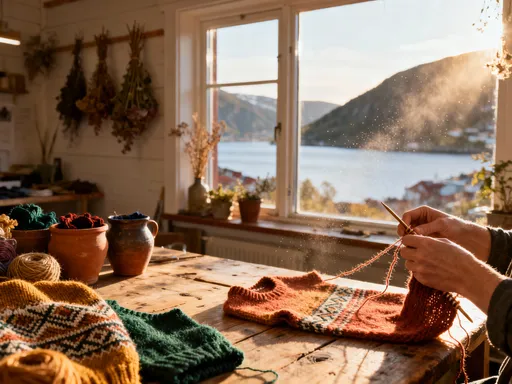
The iconic Norwegian knitwear, often seen in geometric patterns and warm earth tones, is more than just style. These sweaters, traditionally made from pure wool, provide exceptional insulation even when wet—a crucial feature in Bergen’s damp climate. Today, many local brands are updating this tradition with eco-friendly practices, using undyed wool, biodegradable packaging, and transparent supply chains. Some even partner with conservation organizations, donating a portion of sales to protect mountain habitats or fund trail maintenance.
Outdoor gear shops follow a similar philosophy. Instead of promoting fast turnover, they emphasize repair, reuse, and responsible disposal. Many offer in-store mending services, encouraging customers to fix rather than replace. One popular retailer hosts monthly 'gear clinics' where experts teach visitors how to waterproof jackets, replace zippers, or extend the life of hiking boots. These initiatives not only reduce waste but also foster a deeper relationship between people and their possessions.
The connection between clothing and landscape is unmistakable. A jacket might be tested on the slopes of Mount Ulriken; a pair of boots might be designed for the slippery paths of the Trolltunga trail. This close relationship ensures that products are not only functional but also deeply rooted in place. When visitors take home a Bergen-made sweater or backpack, they carry with them not just an item, but a piece of the city’s spirit—a reminder of misty mornings, pine-scented air, and the quiet strength of nature-inspired design.
How to Shop Responsibly in a Protected Landscape
Shopping in Bergen offers a chance to make choices that align with the city’s environmental values. With so much of the region protected, from national parks to marine reserves, it’s important to ensure that tourism supports rather than strains these ecosystems. One of the simplest ways to do this is by choosing products with minimal packaging—opting for items wrapped in paper, cloth, or reusable containers instead of plastic. Many local shops now offer this option, especially those selling food, cosmetics, or handmade goods.
Another key practice is supporting businesses with recognized sustainability certifications. Whether it’s a café with a zero-waste policy or a clothing brand with Fair Trade and GOTS (Global Organic Textile Standard) credentials, these labels provide assurance that ethical standards are being met. Visitors can look for the Swan Ecolabel, Norway’s official environmental certification, which appears on products ranging from cleaning supplies to textiles. These choices may seem small, but collectively, they send a powerful message about consumer priorities.
Equally important is avoiding mass-produced imports that lack connection to the local culture or environment. Instead, seek out items made by local artisans, using regional materials and traditional techniques. This not only ensures authenticity but also directs financial support to the community. When possible, visit workshops or studios in person—this allows for direct conversation with makers and a deeper understanding of the work behind each piece.
Mobility also plays a role in responsible shopping. Bergen’s compact layout and excellent public transport make it easy to explore retail destinations without a car. The light rail, buses, and frequent ferries connect the city center to outlying villages and nature trails. Walking is another excellent option—many of the best shopping experiences, from the Fish Market to the boutiques of Nordnes, are within easy reach on foot. Choosing low-impact transportation reduces emissions and allows for a more immersive experience, turning a shopping trip into a journey through the city’s living landscape.
Why Your Souvenir Matters More Than You Think
A souvenir is often seen as a small token, a memento to place on a shelf or gift to a friend. But in Bergen, it can be so much more. Each purchase carries the potential to support conservation, sustain traditional crafts, and strengthen rural communities. When you buy a hand-dyed scarf from a Modalen weaver, you are not just acquiring a beautiful object—you are helping preserve a centuries-old technique and ensuring that alpine meadows remain protected for future generations. When you choose a sweater made from ethically sourced wool, you are honoring the sheep farmers, spinners, and knitters who keep Norwegian textile traditions alive.
I remember sitting in a small workshop outside Sætre, watching an elderly artisan carve a spoon from a piece of birch. As she worked, she spoke of her grandfather, who taught her the craft, and of the forest where the wood was gathered—now part of a protected area. 'This spoon,' she said, 'is not just for eating. It is a piece of our history, our land, our care.' In that moment, the object transformed. It was no longer just a souvenir; it was a story, a legacy, a quiet act of resistance against disposability.
Thoughtful shopping in Bergen is not a trend. It is a reflection of a deeper cultural value—one that sees nature not as a resource to be exploited, but as a partner in life. It aligns with the philosophy of friluftsliv, where time spent outdoors is not escape, but return—to simplicity, to presence, to belonging. When visitors take home a responsibly made item, they carry a piece of this mindset with them. They become part of a larger story of care and continuity.
So the next time you stand in a Bergen market, consider the weight of your choice. Will you take home something that fades quickly, or something that endures? Will you support a global supply chain, or a local hand? In a city where nature and culture are inseparable, the answer is clear. Your souvenir is not just a memory. It is a statement—one that honors Bergen’s protected soul and helps ensure it remains vibrant for generations to come.