You Won’t Believe What We Found Driving Through Sharm El Sheikh’s Wild Side
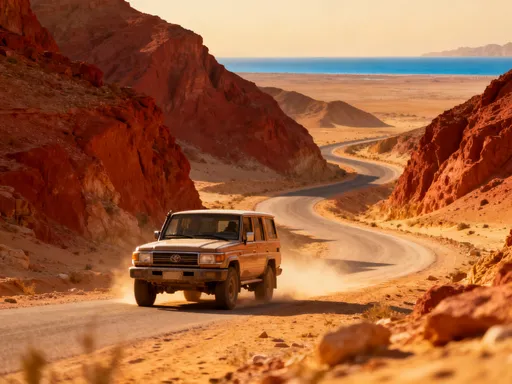
Driving into Sharm El Sheikh feels like stepping into a postcard where desert meets sea in the most dramatic way. I came for the reefs, but stayed for the raw, untouched landscapes you can only reach by car. From surreal mountain passes to hidden coves, self-driving here unlocks natural wonders most tourists never see. This isn’t just a beach getaway—it’s a journey through Egypt’s best-kept secrets, one winding coastal road at a time.
The Call of the Open Road: Why Self-Driving in Sharm El Sheikh Changes Everything
Travelers who limit themselves to Sharm El Sheikh’s resort-lined beaches miss the soul of Sinai—the vast, untamed wilderness that unfolds only when you take the wheel. Self-driving transforms a predictable vacation into a personalized expedition, offering freedom no guided tour can match. With a rental car or compact 4x4, visitors gain access to remote trails, secluded viewpoints, and spontaneous moments that define true exploration. Unlike fixed itineraries, driving allows for serendipity—stopping at a roadside Bedouin tea stall, watching a golden sunset paint the mountains, or spotting a Nubian ibex leaping across distant cliffs.
Renting a vehicle in Sharm El Sheikh is both accessible and practical. Reputable local agencies offer well-maintained sedans and SUVs, many with GPS and air conditioning—essential for comfort in the desert climate. International driving permits are required alongside a valid license, and insurance coverage should be confirmed before departure. Roads in and around the city are paved and clearly marked, but venturing inland or along coastal tracks may require a higher-clearance vehicle, especially when approaching sites like the Colored Canyon or Wadi El Arbain. Fuel stations are available in major towns, though carrying extra water and supplies is wise when heading into isolated zones.
What sets self-driving apart is the control it gives travelers. You choose the pace, the route, and the pauses. Want to linger at a quiet bay until the stars emerge? Need to adjust plans because of weather or energy levels? With your own transport, these decisions are yours alone. This flexibility is particularly valuable for families or small groups who value independence and comfort. It also supports sustainable tourism—by avoiding crowded shuttles and choosing lesser-known stops, drivers reduce congestion and support local economies through direct engagement with small vendors and eco-friendly guides.
Moreover, driving fosters a deeper connection with the landscape. As the road winds through narrow mountain passes or skirts the edge of the Red Sea, passengers aren’t just observers—they become participants in the journey. The hum of the engine, the scent of desert herbs after a rare rain, the sudden appearance of a falcon overhead—all contribute to an immersive experience. For those seeking more than sunbathing and snorkeling, self-driving offers a gateway to Sinai’s wild heart, where adventure and tranquility coexist under an endless blue sky.
Sinai’s Secret Palette: The Colored Canyon Experience
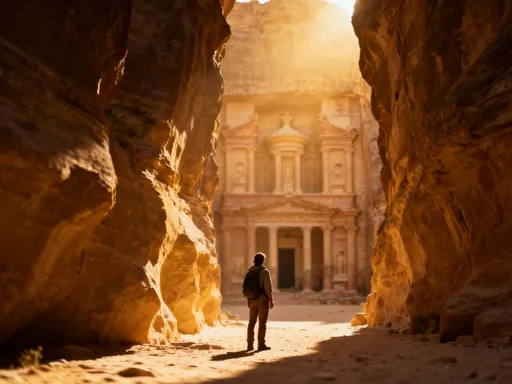
One of Egypt’s most mesmerizing natural wonders, the Colored Canyon, remains a hidden gem for many tourists—yet it’s within easy reach by car from Sharm El Sheikh. Located about an hour’s drive inland, this narrow sandstone gorge captivates with its swirling patterns of red, orange, amber, and gold, shaped over millions of years by wind and water erosion. Unlike the more famous Grand Canyon or Petra, the Colored Canyon offers an intimate encounter with nature—its walls rise vertically on either side, sometimes narrowing so tightly that only a sliver of sky is visible above. Walking through it feels like moving through a living sculpture, each curve revealing new textures and colors that shift with the sunlight.
The hike through the canyon is moderate in difficulty, suitable for most adults and older children with average fitness. The full route spans roughly 2.5 kilometers, though many visitors choose to explore just the most vibrant central section. Proper footwear is essential—closed-toe shoes with good grip prevent slips on the sandy, uneven terrain. Sun protection, including hats and sunscreen, is critical, as shade is minimal. Carrying at least two liters of water per person ensures hydration, especially during warmer months when midday temperatures can exceed 35°C (95°F). While some local guides offer tours, independent travelers with a map or GPS can navigate the trailhead, which is marked but unobtrusive.
Timing your visit enhances the experience significantly. Early morning or late afternoon light casts long shadows and intensifies the canyon’s natural hues, creating ideal conditions for photography. Midday sun, while bright, can wash out colors and make the interior uncomfortably hot. Many drivers combine the Colored Canyon visit with a stop at nearby Salama Canyon, a shorter but equally scenic alternative with wider passages and easier access. Both sites lie within protected desert zones, so visitors are urged to follow Leave No Trace principles—packing out all waste, avoiding touching rock surfaces, and staying on designated paths to preserve the fragile environment.
Beyond its visual splendor, the Colored Canyon offers a sense of solitude and reflection. In contrast to crowded dive sites or bustling souks, this place invites quiet contemplation. The sound of footsteps echoing off stone, the whisper of wind through narrow fissures, the warmth of sun-heated rock under your palm—all create a meditative atmosphere. For mothers, wives, and women travelers seeking meaningful experiences beyond shopping or spa days, this journey provides empowerment through discovery. It’s not about conquering terrain, but about connecting with Earth’s ancient rhythms and finding beauty in stillness. The Colored Canyon isn’t just a destination; it’s a reminder that wonder lies just off the beaten path, waiting to be found by those willing to drive a little farther.
From Desert to Deep Blue: The Coastal Magic of Ras Mohammed National Park
Ras Mohammed National Park stands as one of the Red Sea’s ecological crown jewels, renowned for its world-class diving and vibrant coral reefs. Yet for those exploring by land, the park offers equally breathtaking coastal drives that showcase the dramatic transition between arid desert and thriving marine ecosystems. The paved road leading into the reserve winds past stark limestone formations, salt flats, and sudden drops where the earth gives way to turquoise waters teeming with life. These vantage points provide panoramic views unmatched by any boat tour—places where the desert’s silence meets the sea’s endless motion.
Driving through Ras Mohammed allows visitors to explore multiple lookouts at their own pace. The northern tip of the peninsula, near Shark Observatory Point, reveals a sheer underwater cliff that plunges over 1,000 meters—a geological marvel visible from above on clear days. Other stops include semi-private beaches accessible only by car, where families can picnic safely away from crowds. While diving and snorkeling require permits and often guided access, land-based exploration is permitted with a park entry fee, typically paid at the main gate. Hours are generally from 6:00 AM to 4:00 PM, and early arrival is recommended to avoid heat and busier times.
The contrast between the parched landscape and the luminous sea is striking. On one side, cracked earth and resilient desert plants like tamarisk and acacia cling to life; on the other, coral gardens flourish beneath waves that shimmer in shades of emerald and sapphire. This duality defines Sinai’s magic—the ability to experience two extremes in a single view. Birdwatchers may spot ospreys, herons, or even flamingos in shallow lagoons, while patient observers might see dolphins riding waves just offshore. For photography enthusiasts, the interplay of light, color, and texture offers endless inspiration.
Visitors should come prepared with water, snacks, and sun protection, as services within the park are limited. Restrooms are available at the visitor center, but food vendors are absent, encouraging low-impact visits. Plastic waste is strictly prohibited, and all trash must be carried out. These rules exist to protect the delicate balance of this protected area, home to over 1,000 species of fish and 220 types of coral. By respecting these guidelines, travelers contribute to conservation efforts that ensure future generations can witness this natural treasure. For women managing household budgets and values, choosing responsible travel aligns with deeper principles of stewardship and mindfulness—teaching children that beauty must be preserved, not exploited.
Mountain Highs: The Ascent to Mount Sinai (Optional Day Trip from Sharm)
Though located farther inland, Mount Sinai remains within feasible driving distance for a day trip from Sharm El Sheikh—approximately two and a half hours by car along well-maintained desert highways. This ancient peak, revered in multiple religious traditions as the place where Moses received the Ten Commandments, draws pilgrims and adventurers alike. While many opt for overnight treks to witness sunrise from the summit, self-drivers can reach the base early in the morning, hike via the easier Camel Path, and return the same day without fatigue. The journey combines spiritual significance with awe-inspiring natural beauty, making it a profound experience for reflective travelers.
The drive itself is part of the adventure. As elevation increases, the landscape shifts from coastal flatlands to rugged mountains dotted with monasteries and wadis. St. Catherine’s Monastery, nestled at the foot of the mountain, is a UNESCO World Heritage site and one of the oldest continuously operating Christian monasteries in the world. Visitors can stop briefly to admire its fortified walls and ancient manuscripts, though non-religious tourists are expected to dress modestly and respect prayer times. Parking is available near the trailheads, with clear signage indicating routes to the summit—one for hikers (Steps Path) and another for those preferring a slower ascent by camel or on foot (Camel Path).
For self-guided travelers, timing is crucial. Departing Sharm by 5:00 AM ensures arrival before peak heat and allows completion of the hike by late morning. The Camel Path, though longer, is less strenuous and suitable for most fitness levels. The Steps Path is steeper and more direct, ideal for experienced hikers. Regardless of route, carrying water, wearing layered clothing (temperatures drop at higher altitudes), and wearing sturdy shoes are essential. While the summit offers panoramic views of the surrounding desert, the true reward lies in the journey—the quiet determination required, the rhythm of footsteps on stone, the shared smiles with fellow travelers from around the world.
Cultural sensitivity enhances the experience. Mount Sinai is a sacred site, and visitors should maintain respectful behavior—avoiding loud conversations, refraining from inappropriate clothing, and not disturbing prayer areas. Many women find this pilgrimage deeply moving, not necessarily for religious reasons, but for its universal themes of perseverance, reflection, and connection to something greater. Standing atop the mountain, breathing thin air under a vast sky, one gains perspective—on life, on challenges, on what truly matters. It’s a moment of clarity few destinations offer, made possible by the freedom of self-drive travel.
Hidden Oases and Desert Valleys: Discovering Wadi El Arbain and Beyond
Beyond the main tourist corridors lie quieter corners of Sinai that few visitors ever see—places like Wadi El Arbain, a dry river valley where time seems to slow and nature whispers instead of shouts. Translating to “Valley of the Forty,” this wadi is believed to reference the biblical story of Moses’ forty years in the desert, adding a layer of historical resonance. The drive to Wadi El Arbain takes travelers off paved roads onto compacted desert tracks, requiring careful navigation but rewarding with solitude and geological beauty. Scattered acacia trees provide rare shade, while rock formations display layers of sediment that tell the story of millennia.
Walking through Wadi El Arbain feels like stepping into another world. The silence is profound, broken only by the rustle of desert grass or the distant call of a bird of prey. Small springs feed isolated patches of greenery, attracting wildlife such as Dorcas gazelles and Nubian ibex, which may be spotted on rocky slopes at dawn or dusk. These animals are protected, and visitors are urged not to approach or feed them. The valley also holds archaeological interest—Bedouin shepherds have used these routes for generations, leaving behind stone cairns and simple shelters that hint at centuries of human presence.
GPS and digital maps are invaluable for locating such remote sites, as signage is minimal. Travelers should download offline maps before departure and inform someone of their itinerary. While the terrain is generally safe, sudden weather changes can occur—rare but intense rainfall may cause flash floods in narrow wadis, so checking forecasts is wise. Bringing a basic first-aid kit, extra water, and a fully charged phone with a portable charger adds peace of mind. Because facilities are nonexistent, all supplies must be brought in and all waste carried out.
For women who cherish meaningful family experiences, Wadi El Arbain offers a chance to teach children about nature, history, and respect for the environment. There are no souvenir stalls or ticket booths—just raw, unfiltered beauty. Sitting together under a desert sky, sharing stories or simply being still, creates memories far deeper than any resort activity. These quiet valleys remind us that adventure doesn’t always require adrenaline; sometimes, it’s found in stillness, in observation, in the simple act of being present in a place untouched by time.
On the Edge of the Red Sea: The Southern Drive to Dahab (A Scenic Journey Worth Every Mile)
The coastal highway linking Sharm El Sheikh to Dahab is more than a transportation route—it’s one of Egypt’s most scenic drives, stretching roughly 120 kilometers along the eastern edge of the Sinai Peninsula. The road hugs the coastline, offering uninterrupted views of the Red Sea’s crystalline waters on one side and rugged desert mountains on the other. Camels graze near secluded beaches, fishing boats bob in quiet coves, and the rhythm of life moves at a pace untouched by mass tourism. For self-drivers, this journey is a highlight—each kilometer reveals new beauty, from hidden snorkeling spots to Bedouin-run beach cafes accessible only by private vehicle.
Key stops along the way enhance the experience. The Blue Lagoon, near the village of Abu Soma, is famed for its calm, turquoise waters—perfect for swimming and snorkeling. Unlike busier sites, access here requires navigating a short unpaved track, deterring large tour groups and preserving its serenity. Another favorite is Ras Abu Galum, a protected area where local Bedouin communities offer eco-friendly guided tours, traditional meals, and overnight camping in cloth tents. These experiences support sustainable livelihoods while providing authentic cultural exchange.
Road conditions are generally good, with recent improvements making the route passable for standard rental cars. However, carrying extra water, snacks, and a spare tire is recommended, as service stations are sparse between towns. Fuel should be topped up in Sharm or Nuweiba before continuing. Mobile signal varies, so downloading maps and emergency contacts in advance is prudent. Driving times average two to two and a half hours, but most travelers budget a full day to allow for stops, photos, and spontaneous discoveries.
What makes this drive special is its authenticity. Dahab itself is a laid-back town known for diving, yoga retreats, and a bohemian spirit—yet it retains a grounded, family-friendly charm. Women traveling with children appreciate its relaxed atmosphere, safe beaches, and welcoming locals. Whether stopping for mint tea with a Bedouin elder or watching kids snorkel in a sheltered bay, the journey fosters connection—to place, to people, to the simple joys of travel. The road to Dahab isn’t just a path between destinations; it’s a story written in sand, sea, and sunlight.
Practical Wisdom: Navigating Sharm El Sheikh by Car Without Stress
Success on the open road depends on preparation. Choosing a reliable rental agency in Sharm El Sheikh is the first step—opt for companies with positive reviews, transparent pricing, and well-maintained fleets. Confirm insurance coverage, fuel policies, and return procedures before signing any agreement. Many agencies offer English-speaking staff and assistance with route planning, adding confidence for first-time drivers in Egypt. While driving standards in Sinai are generally respectful, traffic norms differ from Western countries—expect occasional honking as a courtesy signal rather than aggression, and always yield to larger vehicles on narrow roads.
Navigation tools are essential. Google Maps works well in most areas, but downloading offline versions ensures access in remote zones. Physical maps or printed directions serve as backups. Arabic-English phrasebooks or translation apps help with interactions at checkpoints or rural stalls. It’s also wise to carry photocopies of identification, insurance documents, and rental agreements in case of inspection.
Safety comes first. Avoid night driving outside major towns due to limited lighting and occasional animal crossings. Keep windows closed during sandstorms and maintain a safe distance from other vehicles on dusty roads. Always respect protected areas—entering restricted zones can result in fines or vehicle impoundment. Environmental responsibility is equally important: stay on marked roads, avoid disturbing wildlife, and never leave trash behind. Supporting local eco-initiatives, such as Bedouin-guided hikes or community clean-up projects, enriches the journey while giving back.
For women managing family trips, these practical steps reduce stress and increase enjoyment. Knowing the route, having supplies ready, and understanding local customs empower confident decision-making. Self-driving isn’t about recklessness—it’s about thoughtful exploration, where preparation meets wonder. When done responsibly, it opens doors to experiences that linger long after the vacation ends.
Self-driving in Sharm El Sheikh isn’t just about getting from A to B—it’s about reclaiming the joy of discovery. Each turn reveals another facet of Sinai’s natural drama, from sun-scorched canyons to shimmering sea inlets. By taking the wheel, travelers trade convenience for authenticity, unlocking a deeper, wilder Egypt few ever witness.