You Won’t Believe What I Found Exploring Salzburg’s Hidden Culture
Salzburg isn’t just Mozart’s birthplace or *The Sound of Music* backdrop—there’s way more beneath the surface. Wandering its cobbled lanes, I stumbled upon centuries-old traditions still alive today, from artisan workshops to local festivals few tourists ever see. This city breathes culture in every alleyway. If you’re looking for authentic experiences beyond postcard views, Salzburg will surprise you. Let me take you where the real stories are.
The Soul of Salzburg: More Than Just a Pretty Facade
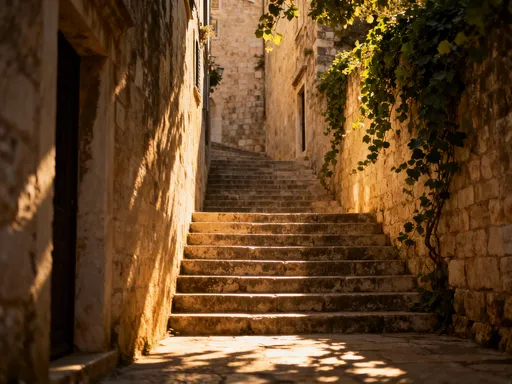
Salzburg’s charm extends far beyond its postcard-perfect skyline of onion domes and alpine vistas. While the UNESCO-listed Old Town draws millions each year, the true essence of the city reveals itself in quieter moments—when the morning mist still clings to the Salzach River, when church bells echo through narrow alleys long before the tour groups arrive, and when neighbors exchange greetings in the soft cadence of the Bavarian dialect. This is a city that lives with rhythm, one shaped by centuries of tradition, faith, and community.
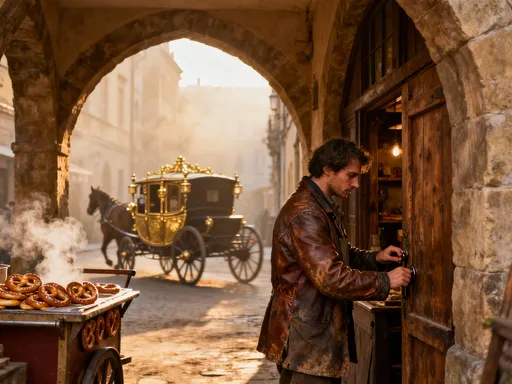
By 6:30 a.m., the scent of freshly baked pretzels and rye bread drifts from corner bakeries, their ovens glowing with warmth. Elderly residents stroll with shopping baskets, stopping for a brief chat outside flower-filled window boxes. Horse-drawn carriages begin their early rounds, clip-clopping gently over cobblestones polished smooth by time. These are not staged performances for visitors—they are daily rituals, deeply embedded in local life. To witness them is to understand that Salzburg is not a museum exhibit but a living, breathing cultural organism.
For travelers seeking authenticity, embracing this slower pace is essential. It transforms a sightseeing tour into a meaningful encounter. When you align your rhythm with the city’s, you begin to notice subtleties: the way shopkeepers arrange seasonal flowers with care, the murmur of prayer from an open chapel door, or the laughter of children walking to school in traditional dirndls and lederhosen during festival weeks. These details form the soul of Salzburg—a soul that rewards patience and curiosity.
Walking Through History: A Living Cultural Landscape
Salzburg’s cityscape is a layered tapestry of medieval fortresses, baroque grandeur, and modern sensibilities. Each era has left an indelible mark, yet the city never feels frozen in time. Instead, history here is dynamic, actively maintained and celebrated. The Hohensalzburg Fortress, looming over the city since the 11th century, is not merely a tourist attraction—it hosts seasonal reenactments, medieval markets, and candlelit concerts that bring its past vividly to life. Visitors can climb its ramparts with guides dressed in period costumes, who speak of sieges, royal intrigues, and daily life in the Middle Ages with scholarly passion.
Likewise, Salzburg Cathedral—rebuilt after WWII bombings with meticulous attention to its original baroque design—remains a center of spiritual and cultural life. Mass is held daily, and its acoustics continue to inspire choral performances that echo centuries of sacred music tradition. On feast days like Corpus Christi, a grand procession winds through the city, with clergy, guild members, and schoolchildren in traditional dress carrying banners and relics. The streets are adorned with floral carpets, and the atmosphere is one of reverence and communal pride.
These events are not curated for tourists; they are genuine expressions of local identity. Participating in or observing them offers a rare window into how tradition functions as a unifying force. It’s not about nostalgia—it’s about continuity. The city’s architecture, rituals, and public celebrations work together to reinforce a shared sense of belonging, reminding both residents and visitors that culture is not inherited passively but lived daily.
Artisans & Craftsmanship: Where Tradition Meets Touch
One of Salzburg’s most enduring cultural treasures lies in its network of small, family-run workshops where craftsmanship is passed down through generations. These artisans are guardians of skills that industrialization nearly erased, yet here, they thrive in quiet corners of the Altstadt and surrounding villages. In a tucked-away studio near the Franciscan Church, a goldbeater continues the centuries-old practice of hammering gold into delicate sheets—*Goldhämmerl*—used to gild altars, statues, and religious icons. The rhythmic pounding of the mallet is a sound unchanged for hundreds of years.
Elsewhere, woodcarvers shape sacred figures from linden and pine, their hands guided by intuition and tradition. Their workshops double as galleries, where visitors can watch them work, feel the shavings beneath their fingers, and learn how each curve holds symbolic meaning. One master explained that carving a saint’s face requires not just technical skill but reverence—a mindset modern mass production cannot replicate.
Equally captivating are the glassblowers of the Salzkammergut region, whose molten creations capture the clarity of alpine lakes and the warmth of candlelight. In a small atelier just outside the city, a fourth-generation artisan demonstrated how a single breath through a pipe can transform glowing glass into a delicate ornament. These moments are intimate, human, and deeply moving.
Supporting these artisans does more than preserve beautiful objects—it sustains cultural memory. When you purchase a hand-carved nativity scene or a piece of blown glass, you become part of a lineage. You help ensure that these skills do not vanish, that young apprentices continue to learn, and that Salzburg’s cultural fabric remains richly textured. Sustainable tourism, in this sense, is not a slogan but a responsibility.
Music That Lives in the Air: From Mozart to Street Performers
Music is not merely Salzburg’s claim to fame—it is its heartbeat. While the Mozarteum and the annual Salzburg Festival draw international acclaim, the city’s true musical soul pulses in unscripted moments. On a quiet afternoon in Residenzplatz, a young violinist plays a haunting rendition of *Ave Maria*, her music weaving through the square like an invisible thread. In a side chapel of St. Peter’s Abbey, a small choir rehearses Gregorian chant, their voices rising in harmony that seems to suspend time.
Jazz spills from a hidden courtyard in the Linzergasse, where a trio plays under strings of fairy lights. A busker with an accordion performs folk tunes near the Mirabell Gardens, drawing smiles and coins from passersby. These spontaneous performances are not background noise—they are vital expressions of a city where music is a language of connection, accessible to all.
Conversations with local musicians reveal a deep sense of duty. Many began playing as children in church choirs or school ensembles, continuing not for fame but because music is woven into their identity. One cellist, performing in a small chamber group, shared that her grandmother played the same instrument in the same square during the 1950s. “It’s not about being famous,” she said. “It’s about keeping the sound alive.”
The Salzburg Festival, while grand, is just one note in this symphony. For those who seek authenticity, the smaller concerts—free Sunday recitals at the Stiftskirche, open-air summer serenades in Hellbrunn Palace gardens, or student performances at the Mozarteum—are where the spirit of Salzburg’s musical culture truly resonates. These events are intimate, affordable, and open to all, reflecting a belief that art should belong to the people.
Taste of Tradition: Cultural Stories on a Plate
Salzburg’s culinary heritage is a direct reflection of its alpine landscape, seasonal rhythms, and communal values. Meals here are not rushed affairs but occasions for gathering, storytelling, and savoring. At a family-run *Gasthaus* in the Aigen district, a grandmother prepares *Salzburger Nockerl*—a fluffy, soufflé-like dessert that rises like golden clouds in the oven. She uses the same recipe handed down from her mother, adjusting sweetness by instinct, never measurement.
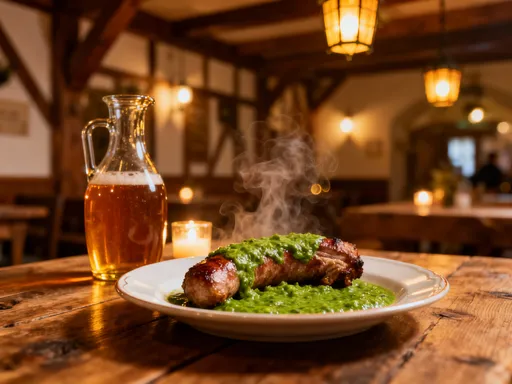
Diners are served *Brettljause*, a wooden board laden with thinly sliced speck, aged cheese, pickled vegetables, and fresh bread—simple, hearty, and deeply satisfying. A glass of *Zeller Bummerl*, a crisp white wine from the nearby village of Zell, complements the meal with notes of green apple and mountain herbs. Every bite tells a story of resourcefulness, seasonality, and care.
These dishes are not museum pieces but living traditions. *Kasnocken*, cheese-filled dumplings pan-fried with onions, are a winter staple, often shared among families after a day of skiing. *Frittatensuppe*, a clear beef broth with thin strips of pancake, is considered soul food—commonly served to the ill or weary. The ingredients are local: dairy from alpine farms, herbs gathered from mountain slopes, meat from trusted butchers who know their animals by name.
Several *Gasthäuser* now emphasize sustainability, sourcing ingredients within a 30-kilometer radius. One in the Riedenburg neighborhood partners with a nearby organic farm, offering seasonal tasting menus that change weekly. Diners are encouraged to meet the farmers, tour the kitchen, and learn the stories behind their meals. In this way, food becomes a bridge between past and present, land and table, stranger and neighbor.
Seasonal Rhythms: How Time Changes the Cultural Pulse
Salzburg’s cultural calendar is shaped by the turning of the seasons, each bringing its own rituals, flavors, and celebrations. Winter transforms the city into a luminous wonderland, with Advent markets glowing in the early darkness. At the Christkindlmarkt in front of the Cathedral, wooden stalls sell hand-carved ornaments, spiced wine, and gingerbread hearts inscribed with names. Carolers in traditional dress sing from balconies, their voices rising above the scent of roasted chestnuts.
One of the most unique events is the *Perchtenlauf*, held in nearby villages during the Twelve Nights of Christmas. Men and women don elaborate masks representing *Perchten*—mythical figures from pre-Christian folklore believed to drive away winter spirits. Dressed in fur, bells, and antlers, they parade through snow-covered streets in a powerful blend of pagan and Christian symbolism. The event is not staged for tourists but deeply rooted in local belief, a reminder that culture here is not always polished for outsiders.
Spring brings processions honoring renewal, such as the *Osterbrunnen* tradition, where public fountains are decorated with painted eggs and evergreen branches. Summer is festival season—open-air concerts, folk dances in village squares, and the world-renowned Salzburg Festival, which fills theaters and courtyards with opera, drama, and classical music. Autumn celebrates the harvest with wine festivals in the surrounding hills, where families gather to taste new vintages and enjoy roasted pork with sauerkraut.
For travelers, aligning a visit with these seasonal rhythms offers a deeper connection. It means more than seeing sights—it means participating in the life of the community. Whether warming hands around a market fire in December or dancing at a village *Schuhplattler* performance in July, these moments create lasting memories rooted in authenticity.
Beyond the Center: Discovering Culture in Salzburg’s Surroundings
To fully appreciate Salzburg’s cultural depth, one must venture beyond the city center. Just 15 minutes by train lies Oberndorf, a quiet village immortalized as the birthplace of *Silent Night*. In the modest St. Nicholas Church, a simple plaque marks where the carol was first performed on Christmas Eve in 1818. Today, visitors can attend a candlelit service where the song is sung in multiple languages, its message of peace resonating across generations.
Further afield, Hallwang and other hillside villages preserve traditions untouched by mass tourism. A day trip to a working alpine farm offers a glimpse into rural life—milking cows at dawn, churning butter, and shaping *Kaspressknödel*, a savory cheese dumpling grilled until golden. Children learn to make cowbells, hammering metal into shape under the guidance of local artisans. These farms often welcome guests for lunch, serving meals made entirely from their own produce.
Public transport makes these excursions easy and scenic. The S-Bahn train glides along the Salzach River, offering views of vineyards, meadows, and distant peaks. Regional buses connect to remote valleys, where hiking trails lead to centuries-old chapels and mountain huts. Cycling routes, such as the Salzburg Cycle Path, follow gentle riverside paths, ideal for families and older travelers.
These journeys reveal a quieter, more intimate side of Austrian culture—one defined by self-reliance, harmony with nature, and quiet pride. Stepping outside the city core allows travelers to see how tradition thrives not in grand institutions but in everyday acts: a farmer blessing his fields, a mother teaching her daughter to knit, a blacksmith repairing a gate with tools passed down from his grandfather.
Conclusion: Why Cultural Exploration Matters More Than Ever
In an age of fast travel and instant gratification, Salzburg offers a powerful reminder: true connection comes from slowing down. This city invites us not to consume culture as entertainment but to engage with it as a living, evolving force. Its artisans, musicians, farmers, and families are not performers—they are keepers of a legacy that values patience, craftsmanship, and community.
Cultural exploration is more than a way to enrich a trip—it is a form of respect. When we listen to a local story, taste a family recipe, or attend a seasonal ritual, we acknowledge the depth of a place beyond its monuments. We move from being spectators to participants, from tourists to temporary neighbors.
Salzburg teaches us that heritage is not static. It breathes, adapts, and endures because people choose to carry it forward. As travelers, we have the privilege—and responsibility—to support this continuity. By choosing authentic experiences, supporting local businesses, and approaching each interaction with humility, we help ensure that these traditions remain vibrant for generations to come.
So when you visit Salzburg, don’t just see the sights. Walk the quiet alleys at dawn. Chat with a shopkeeper. Attend a small concert. Taste a dish made with love. Let the city reveal itself not as a backdrop for photos, but as a living, breathing world—one that welcomes those who come not to take, but to truly see.