You Won’t Believe These Hidden Flaws in Haifa’s Natural Beauty
Haifa’s natural landscapes are absolutely stunning—think terraced gardens, Mediterranean cliffs, and lush mountain trails. But here’s the real talk: not everything is as perfect as it looks online. I came expecting pure magic, and while some spots blew me away, others left me frustrated. Turns out, even paradise has its pitfalls. Let me walk you through what no travel brochure tells you—so you can enjoy Haifa’s nature without the headaches.
The Illusion of the Bahá’í Gardens
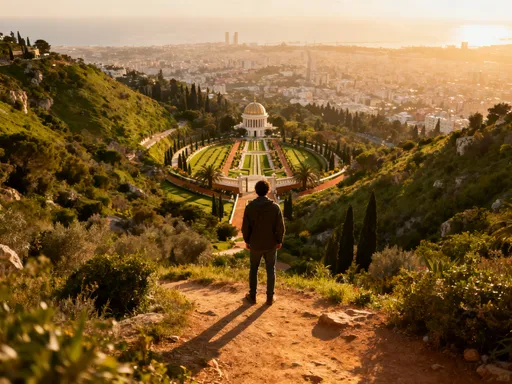
The Bahá’í Gardens are undoubtedly the crown jewel of Haifa’s scenic appeal. Cascading from the base of Mount Carmel to its peak, these meticulously maintained terraces offer a postcard-perfect vision of harmony between nature and design. The symmetry, the vibrant floral displays, and the sweeping views over the city and sea make it one of the most photographed sites in Israel. However, beneath this polished surface lies a set of restrictions that many first-time visitors are unprepared for. Unlike typical public gardens where wandering is encouraged, access to the Bahá’í Gardens is highly regulated. Only the middle terraces are open to tourists, and exploration is limited to designated walkways with no deviation allowed.
Why such strict rules? The site is not only a tourist attraction but also a place of deep religious significance for the Bahá’í Faith. As such, the emphasis is on reverence and order rather than casual recreation. Photography is permitted in most areas, but drones are strictly prohibited, and any behavior deemed disruptive—such as loud talking or running—is quickly addressed by staff. Moreover, visiting hours are fixed and can change seasonally, with closures during holy days that aren’t always widely publicized. Arriving without checking the official schedule can result in disappointment, especially during spring and summer when midday closures are common due to heat.
To make the most of your visit, plan to arrive early in the morning or late in the afternoon when the light is soft and the paths are less crowded. Weekdays are generally quieter than weekends, offering a more serene experience. While the upper and lower terraces remain off-limits to tourists, the central staircase provides a panoramic journey through the heart of the garden. Consider pairing your visit with the informative audio guide available at the site, which adds context to the symbolism embedded in the landscaping. Understanding the spiritual principles behind the symmetry and floral choices enhances appreciation beyond mere aesthetics. Managing expectations is key—this is a place for quiet reflection, not spontaneous exploration.
Crowds That Kill the Serenity
One of the most jarring contrasts in Haifa is how quickly a peaceful natural setting can transform into a bustling social scene. Mount Carmel, with its network of forested trails and scenic overlooks, is a favorite weekend destination for locals and tourists alike. While this popularity speaks to the area’s natural charm, it also means that serenity is often in short supply. On Fridays, Saturdays, and holidays, parking lots near trailheads like Ein Nemer and Ben Shemen Forest fill up by mid-morning. Families spread out on picnic blankets, children play near hiking paths, and the hum of conversation replaces the sounds of birds and rustling leaves.
This influx of visitors isn’t inherently negative—Haifa’s green spaces are meant to be enjoyed—but it does alter the experience for those seeking solitude or a meditative connection with nature. Trails that appear tranquil in travel photos can feel more like urban parks during peak times. The Dagon Promenade, known for its ocean views and shaded walkways, becomes especially congested in the late afternoon when people gather to watch the sunset. Similarly, the forest paths near Ein Hod, though artistically nestled within nature, see heavy foot traffic that compacts soil and occasionally leads to erosion in high-use areas.
The solution lies in strategic timing and route selection. Instead of joining the weekend rush, consider visiting on a weekday morning when the air is crisp and the trails are largely empty. Early risers are rewarded with mist rising from the valleys, birdsong echoing through the pines, and uninterrupted views across the coastline. If weekends are your only option, aim to start your hike before 8 a.m. to avoid the main wave of visitors. Additionally, explore lesser-known access points such as the trail from the University of Haifa campus, which leads into quieter sections of Mount Carmel. These routes may require a bit more navigation, but they offer a truer sense of immersion in nature without the distractions of a crowded park.
Misleading Trail Signage and Navigation Gaps
Navigating Haifa’s hiking trails can be more challenging than expected, especially for independent travelers relying on digital maps or posted signs. While major routes like the Israel National Trail pass through Mount Carmel with reasonable markers, many secondary paths—particularly in areas like Wadi Nisnas and the northern edges of Carmel National Park—suffer from inconsistent or missing signage. It’s not uncommon to follow a dirt path that suddenly ends at a private property or construction site, leaving hikers uncertain of their next move. Even GPS-enabled apps sometimes struggle to maintain accuracy in deep valleys or densely wooded zones where satellite signals weaken.
On one occasion, I followed what appeared to be a well-trodden path near the edge of the Carmel Nature Reserve, only to find myself at a locked gate surrounded by unmarked trails. My phone’s map showed a continuous route, but the physical reality was a maze of overgrown footpaths with no directional indicators. This kind of disconnect between digital guidance and on-the-ground conditions can be frustrating, especially when daylight is limited or weather shifts unexpectedly. The absence of emergency markers or distance indicators on some trails adds another layer of uncertainty, making it difficult to gauge how far you’ve come or how much farther you need to go.
To minimize the risk of getting lost, preparation is essential. Download offline maps from reliable platforms like AllTrails or Komoot before heading out, and cross-reference them with printed trail guides available at local visitor centers. Carrying a physical map as a backup is wise, especially for longer hikes. Stick to trails with established names and positive user reviews, and avoid unmarked shortcuts no matter how tempting they appear. When in doubt, ask park rangers or staff at nearby kiosks for current conditions and recommended routes. Local knowledge often fills the gaps that technology cannot. Over time, you’ll learn which trailheads—like the clearly marked entrance near the Dagon Viewpoint—offer the most reliable access to well-maintained paths.
Seasonal Surprises: When Nature Isn’t at Its Best
Haifa’s reputation for lush greenery is well-earned—but only during certain times of the year. The city enjoys a Mediterranean climate, meaning wet, mild winters and long, dry summers. This seasonal rhythm profoundly affects the appearance and comfort of its natural landscapes. Spring, from March to May, is undoubtedly the peak season for outdoor exploration. Wildflowers bloom in vibrant bursts, grasses are thick and green, and temperatures hover in the pleasant mid-60s to low-70s Fahrenheit (18–23°C). Hiking trails feel alive, streams trickle down rocky slopes, and the air carries the scent of pine and wild thyme.
By contrast, late summer and early autumn bring a dramatic transformation. From July onward, rainfall becomes scarce, and the once-verdant hills turn golden brown. Grasses wither, dust accumulates on trails, and shade becomes a precious commodity. Some smaller water sources dry up completely, and the heat—often exceeding 90°F (32°C)—can make extended hikes uncomfortable without proper hydration and sun protection. The visual appeal of the landscape shifts from vibrant and inviting to arid and sunbaked, which may disappoint visitors expecting perpetual greenery.
Understanding this cycle is crucial for planning a rewarding visit. If your priority is scenic beauty and comfortable hiking conditions, aim for spring or early autumn when temperatures are mild and vegetation is at its peak. Autumn, particularly October and November, offers another sweet spot as the first rains begin to revive the land, though trails may be muddy after heavy showers. Winter visits are possible but require preparation for rain and cooler temperatures; some paths may be slippery or temporarily closed after storms. Summer hikes are best reserved for early mornings or shaded coastal routes where sea breezes provide relief. By aligning your trip with Haifa’s natural rhythms, you’ll experience its landscapes at their most generous.
Limited Facilities in Seemingly Accessible Areas
One of the most overlooked aspects of outdoor recreation in Haifa is the scarcity of basic amenities at many natural sites. Despite their popularity, locations like the Mount Carmel trails, Ein Hod forest paths, and even sections of the coastal promenade often lack restrooms, drinking water stations, or covered rest areas. This absence can catch unprepared visitors off guard, especially families or older adults who may need regular breaks. On a particularly long hike along the Carmel ridge, I learned this lesson the hard way—after three hours on the trail, I found no place to refill my water bottle or find shelter from the midday sun. The nearest café was a 20-minute walk off the main path, and portable restrooms were nowhere to be seen.
This lack of infrastructure isn’t due to neglect but rather the balance between preserving natural environments and accommodating visitors. Installing permanent facilities in ecologically sensitive areas can disrupt wildlife and degrade the very experience people come to enjoy. As a result, many trails remain intentionally low-service to minimize environmental impact. While this approach supports conservation, it places greater responsibility on visitors to come prepared. Carrying enough water—ideally at least two liters per person for a half-day hike—is essential, especially in warmer months. Packing snacks, sunscreen, a hat, and a lightweight rain jacket ensures you’re equipped for changing conditions.
Before setting out, research your chosen trail to identify where services are available. Some trailheads, such as those near the University of Haifa or the Dagon parking area, have small kiosks or vending machines. Others may have seasonal refreshment stands during peak tourist months. Always carry a physical map or offline navigation tool, as cell service can be spotty in remote sections. If hiking with children or elderly companions, choose routes with known access points to nearby towns or parks where facilities are more likely to be available. Being self-sufficient not only enhances comfort but also reduces strain on the environment and ensures a smoother, more enjoyable experience for everyone.
Unexpected Urban Encroachment on Natural Zones
While Haifa is celebrated for its integration of city and nature, this harmony isn’t always seamless. In several areas, the expansion of urban development has begun to encroach on once-pristine natural spaces. Along certain coastal stretches and hillside trails, the sounds of construction—drilling, hammering, heavy machinery—can interrupt the tranquility of an otherwise peaceful walk. New residential complexes and road projects, while necessary for a growing population, sometimes bring noise pollution, increased light at night, and fragmented green corridors that disrupt wildlife movement.
One noticeable example is the area near the northern slopes of Mount Carmel, where recent housing developments have altered the visual and acoustic landscape. Trails that once felt remote now border active construction sites, and views that were once uninterrupted are partially obscured by scaffolding and fencing. Similarly, some coastal paths near Bat Galim have seen increased foot traffic due to nearby apartment buildings, leading to litter and wear on vegetation. While these changes reflect the city’s growth, they also challenge the sense of immersion that many seek when escaping into nature.
The good news is that not all areas are equally affected. The core sections of Carmel National Park, particularly those deeper within the forest, remain well-protected and relatively undisturbed. The Ein Nemer reserve and the trail network around the Baha’i Gardens’ upper slopes offer a stronger sense of seclusion. For visitors hoping to avoid urban intrusions, focusing on these central conservation zones is advisable. Additionally, supporting local environmental initiatives—such as guided clean-up hikes or educational programs—can contribute to preserving Haifa’s natural legacy. Awareness of these pressures fosters a more mindful approach to outdoor recreation, encouraging respect for both the beauty and fragility of these shared spaces.
Conclusion: Embracing Haifa’s Nature—Pitfalls and All
Haifa’s natural beauty is real, profound, and worth experiencing—but it comes with nuances that go unmentioned in glossy travel brochures. From restricted access at iconic sites to seasonal changes and infrastructure gaps, the city’s outdoor offerings require thoughtful planning and realistic expectations. Yet, these very imperfections don’t diminish the experience; they deepen it. Recognizing the limitations allows visitors to engage more intentionally, to appreciate the moments of quiet amidst the crowds, and to prepare adequately for the challenges of terrain and climate.
What makes Haifa unique is not just its scenic vistas, but the way nature and urban life coexist in a dynamic balance. The terraced gardens, forested mountains, and coastal paths tell a story of care, conservation, and community use. By understanding the realities behind the postcard images, travelers gain a richer, more authentic connection to the landscape. Rather than seeking perfection, the goal becomes presence—being fully in the moment, equipped with knowledge and respect.
So pack your water, check the trail conditions, visit during the shoulder seasons, and choose your paths wisely. Let go of the expectation of flawless beauty, and instead embrace the living, changing character of Haifa’s natural world. With awareness and preparation, every hike, every garden visit, every seaside walk can be not just enjoyable, but truly meaningful. The flaws don’t ruin the experience—they make it real. And sometimes, it’s in that reality that we find the deepest kind of beauty.